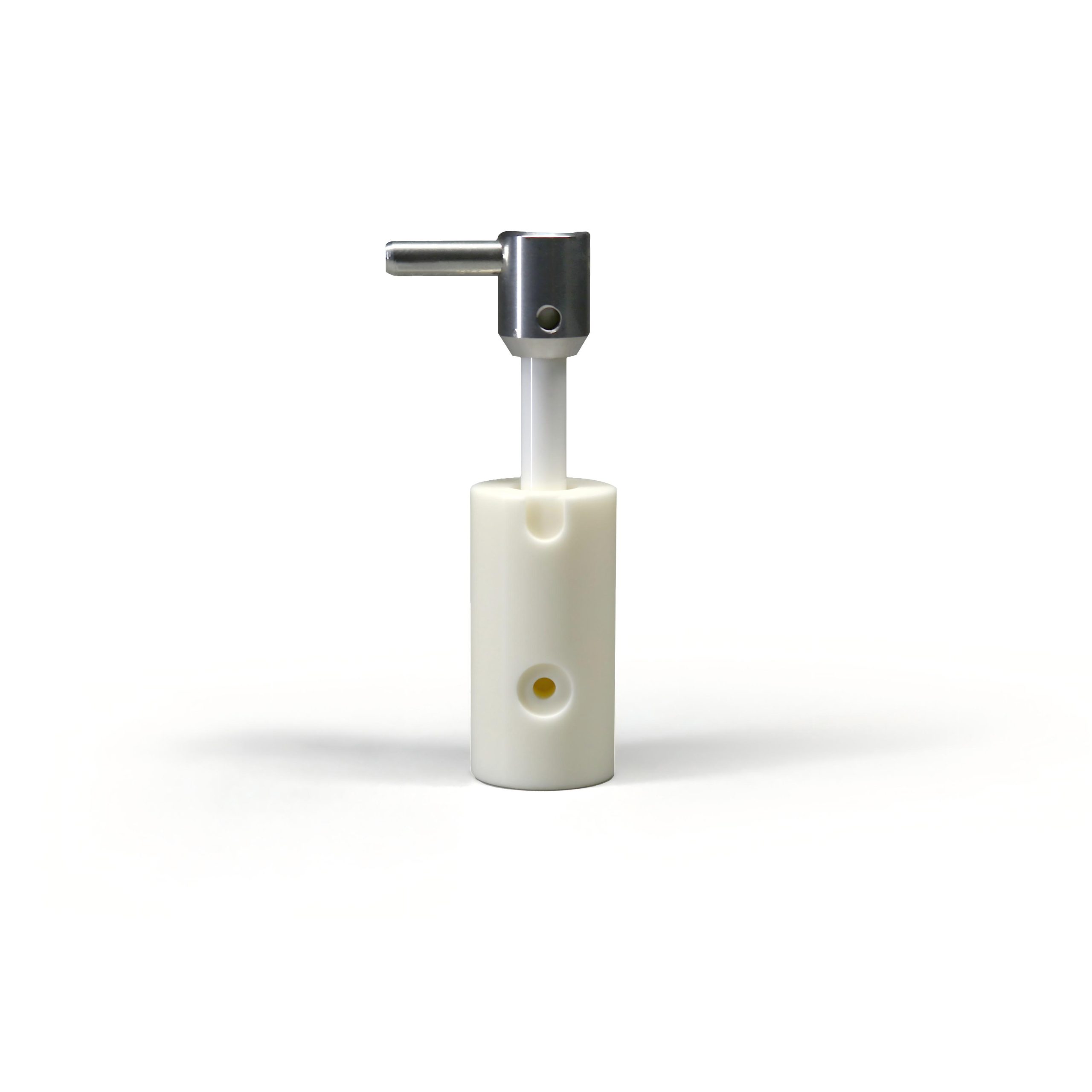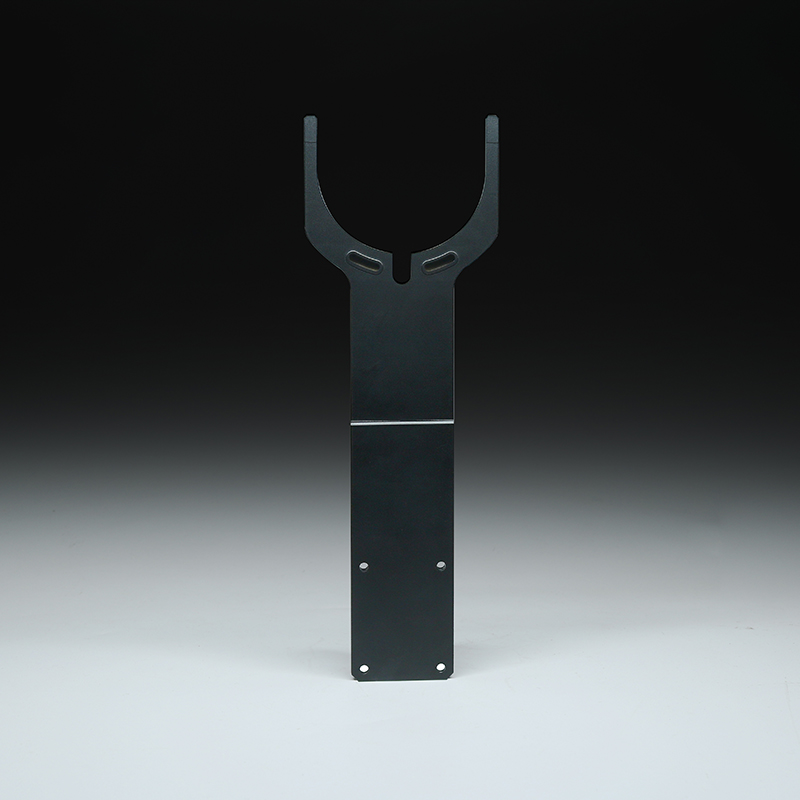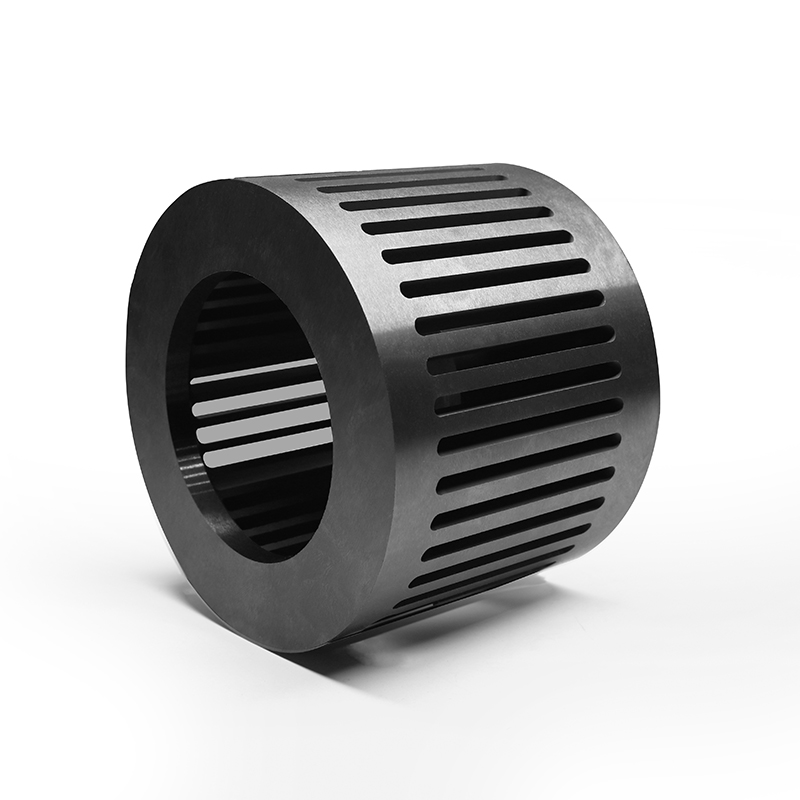


As the core equipment in semiconductor manufacturing, the ultra-precision motion stages, electrostatic chucks (ESCs) and other key components of lithography machines have extremely stringent requirements for materials in terms of thermal stability, mechanical properties and vacuum compatibility. Relying on its core advantages such as near-zero thermal expansion, high specific stiffness and controllable domestic production, high-purity nano cordierite has gradually replaced imported microcrystalline glass to become the core material for domestic lithography machines with mature processes of 100–7nm and high-end packaging lithography equipment. It plays a pivotal role in ensuring lithography precision and advancing the localization of equipment. This article comprehensively analyzes the application value and development prospects of high-purity nano cordierite in lithography machines from four dimensions: actual application scenarios, current application status, performance comparison with microcrystalline glass, and specific applied components.
I. Actual Application Scenarios of High-Purity Nano Cordierite in Lithography Machines
The core application of high-purity nano cordierite (with a sintered density of ≥99.5%) is to solve the three major pain points of key lithography machine components: “thermal deformation”, “precision drift” and “dependence on imports”. Its actual application scenarios are fully centered on the core subsystems of lithography machines, covering the entire process from wafer carrying to precision positioning. It is especially suitable for domestic DUV lithography machines with mature 100–28nm processes and wafer-level direct-write lithography equipment, and is gradually extending to the supporting of high-end EUV lithography machines. Specifically, it can be divided into three core scenarios.
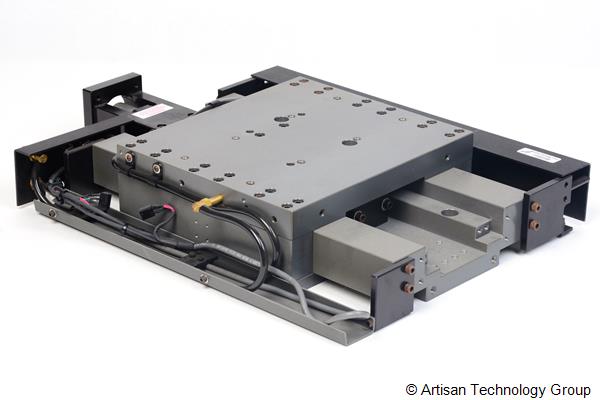
1. Ultra-Precision Motion Stage Scenario
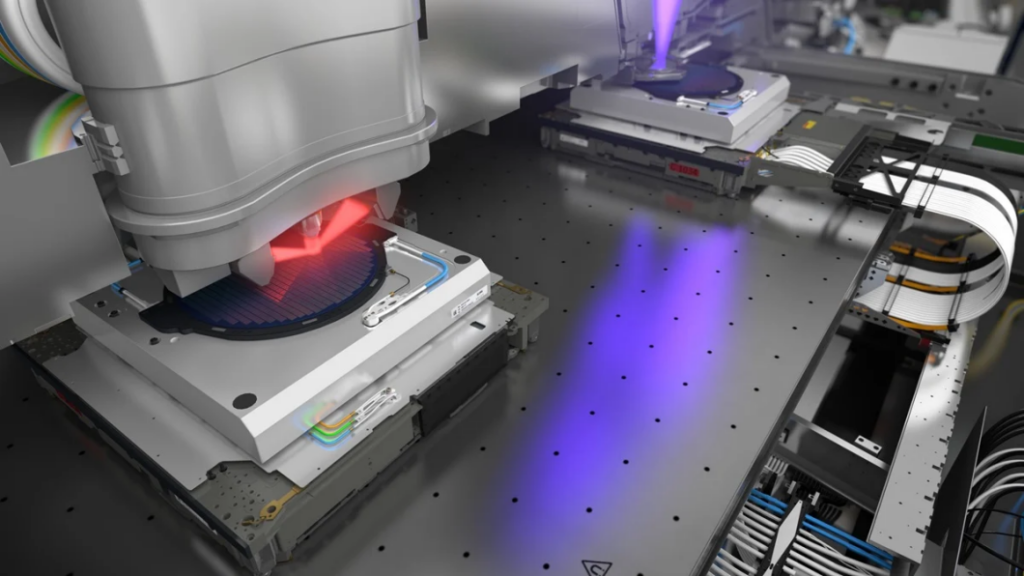
The lithography machine motion stage (wafer stage) is the core determining lithography precision. It needs to achieve nanoscale positioning during high-speed movement (1–2g acceleration), imposing extremely high requirements on the thermal stability and specific stiffness of materials. With its near-zero thermal expansion characteristic, high-purity nano cordierite effectively suppresses component deformation caused by ambient temperature fluctuations and local heating from laser exposure, avoiding overlay errors. Meanwhile, its high specific stiffness enables lightweight design of the stage, improving dynamic response speed to adapt to the motion requirements of the “coarse + fine” dual-stage linkage. At present, the dual wafer stages of 100–28nm lithography machines from enterprises such as SMEE (Shanghai Micro Electronics Equipment Co., Ltd.) have adopted high-purity nano cordierite in batches as the core structural material, replacing traditional alumina ceramics and imported microcrystalline glass, achieving a dual breakthrough in motion precision and localization.
2. Electrostatic Chuck (ESC) Scenario
The electrostatic chuck is the core component for directly carrying wafers, which needs to meet three requirements simultaneously: “stress-free adsorption”, “temperature uniformity” and “high vacuum compatibility”. The near-zero thermal expansion coefficient (CTE≈0.5–1.0×10⁻⁶/℃) of high-purity nano cordierite is highly matched with that of silicon wafers (CTE≈2.6×10⁻⁶/℃), which can avoid wafer warpage caused by temperature changes and ensure the accurate transfer of exposure patterns; its high insulation characteristic ensures uniform and stable electrostatic adsorption force without the risk of electric leakage, avoiding wafer damage; at the same time, its high density and extremely low outgassing rate are fully compatible with the high vacuum environment of EUV lithography machines without polluting the optical path and wafer surface. At present, wafer-level packaging lithography equipment and 28nm immersion DUV lithography machines from enterprises such as XGMA Microfabrication and SMEE have selected high-purity nano cordierite as the preferred material for the ESC substrate.
3. Precision Datum and Auxiliary Structure Scenario
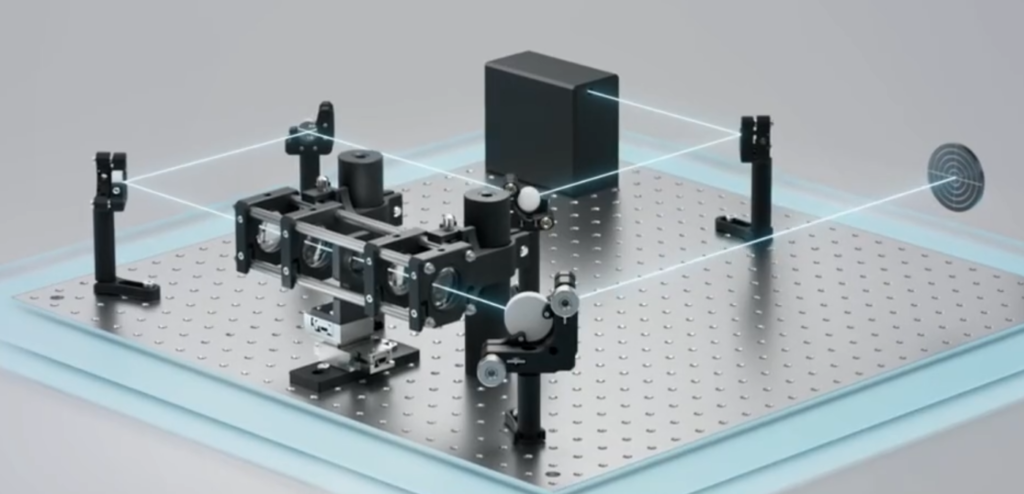
Precision datum components of lithography machines such as grating scale bases, interferometer reference blocks and laser positioning square mirrors are the “scales” to ensure positioning precision, and any slight deformation will be directly converted into overlay errors. Through precision polishing and coating technology, high-purity nano cordierite has excellent dimensional stability with an annual drift of <10nm, which can replace imported microcrystalline glass as mid-to-high-end datum components; in addition, its excellent thermal insulation and radiation resistance also make it applicable to auxiliary structures such as thermal insulation supports for the optical system of lithography machines and liners for etching chambers, further expanding the application scenarios.
II. Current Application of High-Purity Nano Cordierite and Prospects of Replacing Microcrystalline Glass
1. Current Application Status
At present, the application of high-purity nano cordierite in the domestic lithography machine field has entered the stage of “large-scale mass production and multi-scenario penetration”, focusing on the mature 100–28nm process, and forming a supporting system of “domestic materials + domestic equipment”, which specifically presents three characteristics.
First, the batch application of core components: In SMEE’s SSA800 series 28nm DUV lithography machines and XGMA Microfabrication’s WLP/PLP series direct-write lithography equipment, high-purity nano cordierite has realized batch application in wafer stages, ESC substrates and fine motion stage structural parts, with a replacement rate of more than 70%, breaking the monopoly of imported microcrystalline glass and high-end ceramics. Domestic enterprises such as Shenzhen Longci have realized the mass production of semiconductor-grade high-purity nano cordierite powder, benchmarking Japan Kyocera’s CO720/CO220 models, with mature processing technology, stable supply of 700mm large-size components, delivery time shortened to 1–2 months, and support for small-batch customization to adapt to the needs of different components.
Second, the continuous expansion of application scenarios: From the initial wafer stage, workbench and wafer holding stage, it has gradually extended to core components such as fine motion stages, reference blocks and laser positioning square mirrors, and at the same time penetrated into auxiliary components such as end effectors of vacuum robotic arms and gas distribution plates of lithography equipment, forming a full-chain material solution and greatly reducing the material selection and supply chain management costs of equipment manufacturers.
Third, continuous technological upgrading: Through precise composition regulation (MgO-Al₂O₃-SiO₂ ternary system) + nano sintering technology, Shenzhen Longci has realized the precise regulation of the thermal expansion coefficient of high-purity nano cordierite (which can be as low as 0±20 ppb). At the same time, it has optimized the processing technology, solved the problems of warpage and chipping of large-size components. The product performance and fine processing capacity are close to imported cordierite products, and some indicators (such as mechanical strength and processing yield) have achieved surpassing.
2. Prospect Analysis of Replacing Microcrystalline Glass
Microcrystalline glass (typically such as Zerodur/ULE) has long been the benchmark material for key components of high-end lithography machines, but its fatal shortcomings such as import monopoly, high brittleness, high cost and high processing difficulty provide a broad space for the replacement of high-purity nano cordierite. Especially in the domestic mature 100–28nm process field, the replacement prospect is clear, and it has become the core breakthrough point for the localization of domestic lithography machine materials.
In terms of technical feasibility, the core performance of high-purity nano cordierite is fully adapted to the needs of 28-7nm lithography machines, and its near-zero thermal expansion characteristic is consistent with that of microcrystalline glass (CTE 0±0.1×10⁻⁶/℃); at the same time, its specific stiffness is 1.5 times that of microcrystalline glass, and its impact resistance and processability are better than microcrystalline glass, which can avoid the problems of easy chipping and high assembly risk of microcrystalline glass during high-speed movement, and is more suitable for the dynamic working scenarios of lithography machines. In addition, the surface of high-purity nano cordierite can be compounded with SiC and SiO₂ coatings through magnetron sputtering, CVD and other technologies to further improve surface hardness and radiation resistance, adapting to the application scenarios of optical components such as laser positioning square mirrors. However, due to the amorphous structure of microcrystalline glass, the coating adhesion is poor and easy to fall off. This advantage makes the application scenarios of high-purity nano cordierite more expandable.
In terms of localization demand, the process of localization of domestic semiconductor equipment is accelerating, and lithography machines with mature 100–28nm processes have realized batch delivery, making the independent controllability of core materials the key. Microcrystalline glass is completely dependent on imports from Schott and Corning of Japan, with limited supply, extremely high price, and extremely low yield of large-size (300mm) components, which cannot meet the mass production demand of domestic equipment; while high-purity nano cordierite has realized 100% domestic production, ensuring the stability of the supply chain and conforming to the core demand of localization of domestic semiconductor equipment.
In terms of industry trends, with the advancement of domestic EUV lithography machine R&D, the performance of high-purity nano cordierite will be further upgraded, and it can gradually extend to advanced processes of 7nm and below through technical optimization to replace high-end microcrystalline glass; at the same time, its advantage of full-scenario adaptation (covering both static optical components and dynamic structural components) will further expand the application scope, not only limited to lithography machines, but also extending to semiconductor testing equipment, precision metrology equipment and other fields, forming an industrial pattern of “one material for multiple uses”, with broad replacement prospects.
III. Performance Comparison Between High-Purity Nano Cordierite and Microcrystalline Glass
The performance differences between high-purity nano cordierite and microcrystalline glass determine their application positioning in lithography machines, and high-purity nano cordierite has more advantages in comprehensive cost performance and adaptability. The following is a detailed comparison from the core performance dimensions, and the data are all from the actual measurement results of domestic semiconductor-grade high-purity nano cordierite (Shenzhen Longci) and imported microcrystalline glass (Zerodur K10), which accurately fit the needs of lithography machine components.
表格
| Performance Indicator | High-Purity Nano Cordierite | Microcrystalline Glass (Zerodur) | Performance Advantage Analysis |
|---|---|---|---|
| Coefficient of Thermal Expansion (CTE, ×10⁻⁶/℃) | 0±0.1 | 0±0.1 | Better matching with the thermal expansion of silicon wafers, avoiding wafer warpage |
| Elastic Modulus (GPa) | 140–150 | 90 | Increased by more than 50% compared with microcrystalline glass, improving high-speed movement response speed and resisting inertial deformation |
| Thermal Conductivity (W/m·K) | 3-4 | 1.2 | 2–3 times that of microcrystalline glass, reducing thermal deformation |
| Mechanical Strength (Flexural Strength, MPa) | 180–200 | 80–100 | More than twice that of microcrystalline glass, with excellent impact resistance |
| Surface Machining Precision (Ra) | ≤0.05nm | ≤0.05nm | Comparable precision with lower processing difficulty and higher yield |
| Vacuum Outgassing Rate | Extremely low (meeting EUV-level requirements) | Extremely low (meeting EUV-level requirements) | Both are compatible with high vacuum environments with no obvious difference, avoiding pollution to the optical path and wafers |
| Processing Difficulty | Good, mass production of 700mm large-size components achievable | Extremely high, extremely low yield of large-size components | High processing yield and short delivery time, more suitable for the mass production demand of domestic lithography machines |
| Localization Level | 100% domestically independently controllable | Completely dependent on imports | Solving the “bottleneck” problem of core materials and ensuring supply chain stability |
IV. Specific Applied Components of High-Purity Nano Cordierite in Lithography Machines
The application of high-purity nano cordierite in lithography machines focuses on three categories of components: “precision carrying, accurate positioning and datum calibration”, covering core subsystems such as motion stages, electrostatic chucks and datum systems. Each component corresponds to clear functional requirements and performance adaptation points, as detailed below:
1. Core Components of Motion Stages
The lithography machine motion stage (wafer stage) is divided into coarse motion stage and fine motion stage. High-purity nano cordierite is mainly applied to core structural parts, which directly determine the motion precision and stability of the stage, including the following:
(1) Wafer Stage Substrate
As the top core component of the motion stage, it is in direct contact with the electrostatic chuck or wafer, responsible for carrying the wafer and transmitting motion, and is the most core application component of high-purity nano cordierite. Its functional requirements are “low thermal expansion, high flatness and high rigidity”, adapted to 12-inch (300mm) wafers. The near-zero thermal expansion characteristic of high-purity nano cordierite can avoid table deformation caused by temperature changes, the high rigidity can ensure no jitter of the table during high-speed movement, and its lightweight design can reduce motion inertia and improve the stage response speed.
(2) Fine Motion Stage Structural Parts
The fine motion stage is responsible for nanoscale 6-degree-of-freedom (XYZθxθyθz) fine adjustment, compensating for the motion error of the coarse motion stage and ensuring sub-nanoscale positioning precision during exposure, imposing extremely high requirements on the material’s “high specific stiffness, low thermal expansion and lightweight”. The high elastic modulus (140–150GPa) of high-purity nano cordierite can effectively resist inertial deformation during fine adjustment, the near-zero thermal expansion characteristic can avoid positioning errors caused by temperature drift, and the lightweight design can improve the fine adjustment response speed to adapt to high-frequency fine adjustment requirements. The application parts include fine motion stage table, support arms, guide structures, etc., which are key materials to improve the precision of the fine motion stage.
(3) Coarse Motion Stage Auxiliary Structural Parts
The coarse motion stage is responsible for high-speed X/Y axis movement with a large stroke (covering 300mm wafers), with core requirements of “high rigidity, low vibration and easy processing”. High-purity nano cordierite is mainly applied to auxiliary structural parts of the coarse motion stage such as guide rail bases and motion sliders. Its high rigidity can ensure the straightness of the motion trajectory, the low vibration characteristic can reduce the impact of high-speed movement on positioning precision, and at the same time, it has low processing difficulty and can realize large-scale mass production.
2. Core Components of Electrostatic Chuck (ESC)
The electrostatic chuck is the core component for wafer carrying. High-purity nano cordierite is mainly applied to its substrate and working surface, which directly affect the wafer adsorption stability and temperature uniformity, including the following:
(1) ESC Substrate
As the core support component of the electrostatic chuck, it is responsible for fixing electrodes and conducting heat, and needs to meet three requirements: “high insulation, low thermal expansion and high vacuum compatibility”. The high insulation of high-purity nano cordierite can ensure uniform and stable electrostatic adsorption force, avoiding wafer damage caused by electric leakage; its near-zero thermal expansion characteristic can perfectly match with silicon wafers, avoiding wafer warpage caused by temperature changes; its high density and low outgassing rate can adapt to the EUV high vacuum environment without pollutant release. At present, the ESC substrates of domestic 28nm DUV lithography machines and wafer-level direct-write lithography equipment have 100% adopted high-purity nano cordierite to replace imported microcrystalline glass and aluminum nitride ceramics.
(2) ESC Working Surface
The working surface is the part in direct contact with the wafer, which needs to have the characteristics of “high flatness, low friction and high cleanliness”. High-purity nano cordierite ensures uniform wafer adsorption through ultra-precision polishing technology; its excellent chemical stability can avoid reactions with the wafer, and at the same time, the surface can be further improved in wear resistance and pollution resistance through coating treatment, extending the service life of the electrostatic chuck.
3. Precision Datum and Auxiliary Components
Although such components do not directly participate in wafer carrying and movement, they are the “datum scales” and “support systems” to ensure lithography precision. The application of high-purity nano cordierite can further improve the datum precision and system stability, including the following:
(1) Grating Scale Base
The grating scale is the position feedback component of the motion stage, and the dimensional stability of its base directly determines the positioning precision, which needs to meet the requirements of “near-zero thermal expansion and high dimensional stability”. The annual drift of high-purity nano cordierite is ≤10nm, which can effectively avoid the grating scale graduation offset caused by temperature changes, ensure nanoscale position feedback precision, and replace imported microcrystalline glass as the core base material of the grating scale, adapting to the positioning needs of 100–7nm lithography machines.
(2) Interferometer Reference Block
The interferometer is used to measure the displacement error of the motion stage, and the reference block is the core datum component of the interferometer, which needs to have the characteristics of “ultra-high flatness and ultra-low thermal expansion”. High-purity nano cordierite can achieve a flatness of PV<10nm through precision processing, and its near-zero thermal expansion characteristic can avoid measurement errors caused by the deformation of the reference block, providing a stable measurement datum for the interferometer, and has been gradually applied to the interferometer systems of domestic high-end lithography machines.
(3) Laser Positioning Square Mirror
The laser positioning square mirror is used to calibrate the motion trajectory of the motion stage, which needs to meet the requirements of “high flatness, high reflectivity and radiation resistance”. The surface of high-purity nano cordierite can be treated with CVD coating to improve reflectivity, and its excellent radiation resistance can adapt to the EUV ray irradiation environment with stable performance without attenuation, replacing traditional quartz glass and microcrystalline glass, and adapting to the laser positioning systems of high-end lithography equipment.
(4) Thermal Insulation Support
The motors and cables of the optical system and motion stage of lithography machines will generate heat. The thermal insulation support needs to have the characteristics of “low thermal conductivity and high rigidity” to avoid heat transfer to core precision components. The thermal conductivity of high-purity nano cordierite is only 3–4W/m·K, with excellent thermal insulation performance, and its high rigidity can ensure support stability. It is used for thermal insulation supports between the optical system and the motion stage, and thermal insulation structures between motors and the table, further improving the temperature stability of the system.
V. Conclusion
Relying on core advantages such as near-zero thermal expansion, high specific stiffness, controllable domestic production and excellent processability, high-purity nano cordierite has become the core material for domestic lithography machines with mature 100–28nm processes. It has realized batch application in key components such as motion stages, electrostatic chucks and precision datums, gradually replacing imported microcrystalline glass and solving the “bottleneck” problem of high-end lithography materials. With the acceleration of the localization process of domestic semiconductor equipment and the continuous upgrading of high-purity nano cordierite technology, its application will gradually extend to advanced processes of 7nm and below, not only playing a key role in the lithography machine field, but also expanding to high-end equipment fields such as semiconductor testing and precision metrology, becoming one of the core materials promoting the independent controllability of China’s semiconductor industry. In the future, with the further optimization of material performance and the continuous reduction of costs, high-purity nano cordierite will occupy an important position in the global lithography material market, providing strong support for the high-quality development of the semiconductor industry.