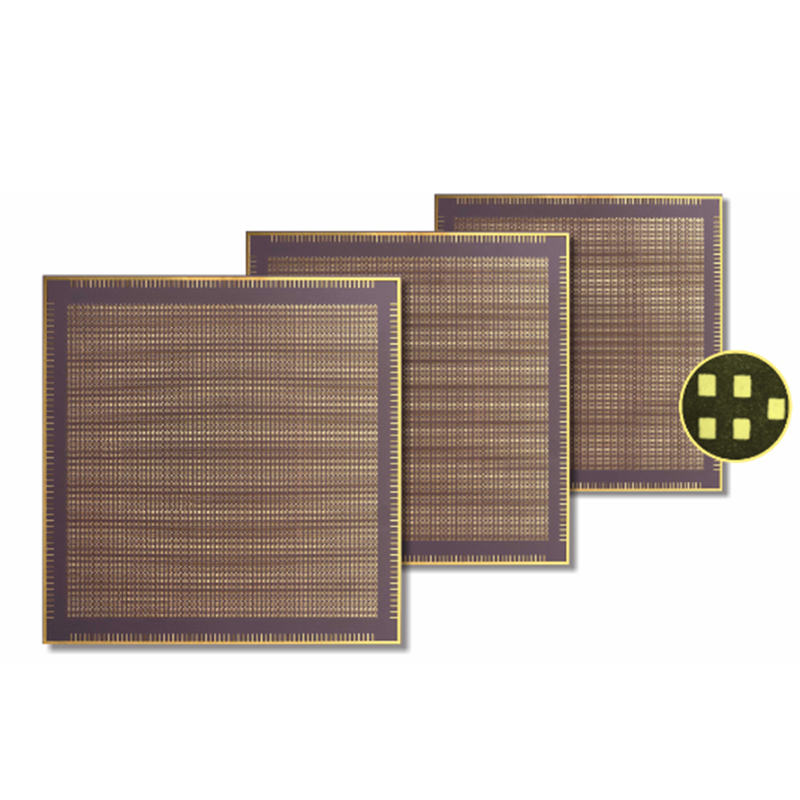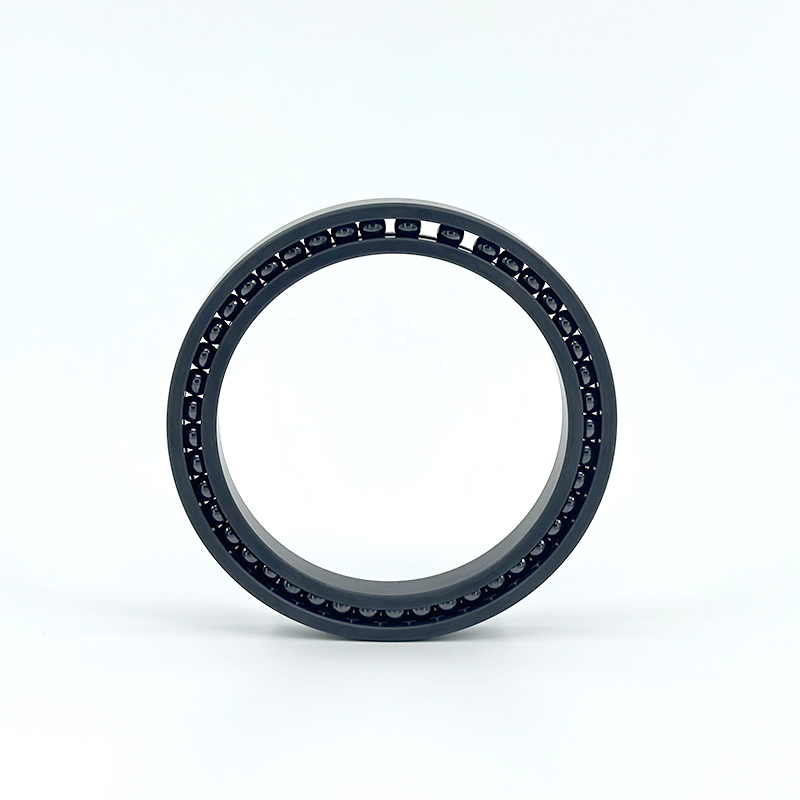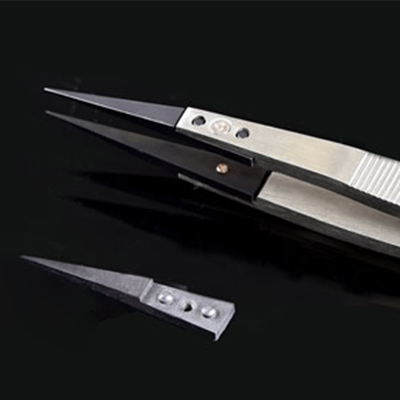


Scanning Electron Microscopy (SEM), a core device for nanoscale observation and analysis, is widely used in high-end fields such as materials science, semiconductors, and biomedicine. Its observation accuracy, stability, and service life are highly dependent on the material properties of core structural components. High-purity cordierite (chemical formula: 2MgO·2Al₂O₃·5SiO₂, purity ≥99.5%) perfectly adapts to the harsh working environment of SEM characterized by high vacuum, electron beam irradiation, and temperature fluctuations by virtue of the synergistic advantages of near-zero thermal expansion, high thermal conductivity, high specific stiffness, and excellent electrical insulation. It has gradually replaced traditional materials such as glass-ceramic and alumina to become the preferred material for precision structural components of SEM. Starting from the performance requirements of SEM for core materials, this paper deeply analyzes the application scenarios and core values of high-purity cordierite in various key components of SEM, compares its advantages and differences with traditional materials, and discusses its application bottlenecks and future upgrading directions, providing a reference for material selection and technological upgrading in the SEM field.
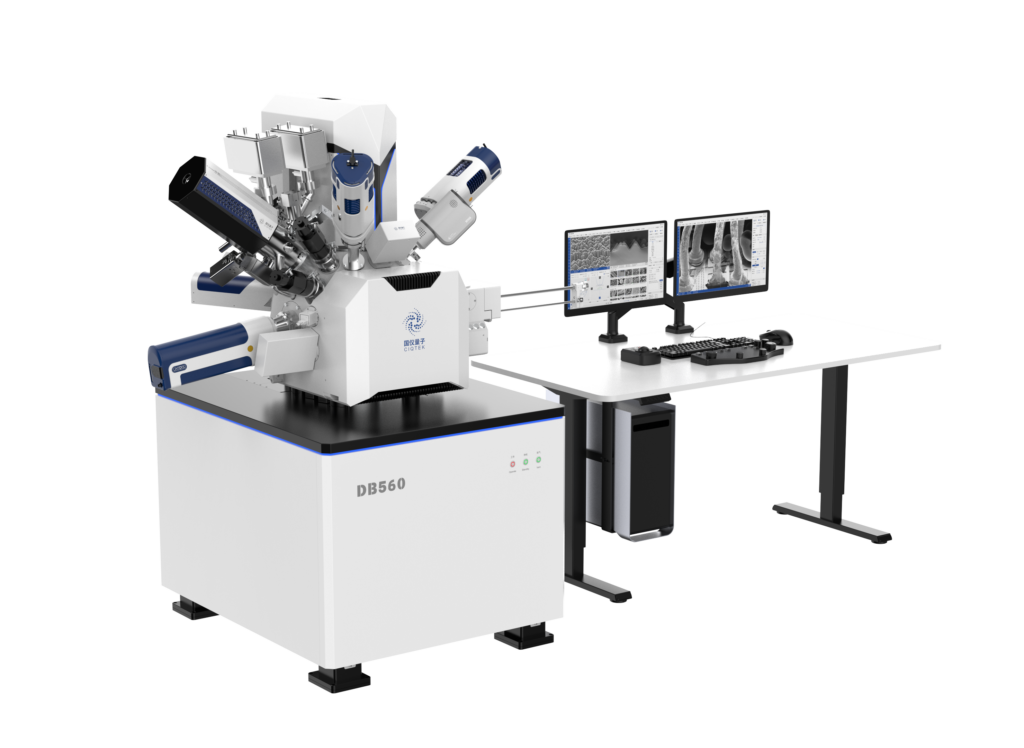
1. Characteristics of SEM Working Environment and Core Material Performance Requirements
The working principle of SEM is to emit an electron beam through an electron gun, focus it on the sample surface via a condenser lens and an objective lens, and collect signals such as secondary electrons (SE) and backscattered electrons (BSE) to form high-resolution images. The working environment and core components of SEM impose extremely stringent requirements on materials, which is the core reason why high-purity cordierite stands out.
The core characteristics of the SEM working environment include: First, a high-vacuum environment (vacuum degree usually ≥10⁻⁵ Pa), which requires materials to have high compactness, low outgassing rate, no volatilization and no devitrification to avoid contaminating the sample and the electron optical system; Second, electron beam irradiation and local thermal load. Local high temperature is generated when the electron beam bombards the sample. Poor thermal stability of materials will easily cause dimensional distortion, leading to electron beam alignment deviation and image drift; Third, precision motion requirements. The sample stage, optical components and other parts need to achieve nanoscale precise movement, requiring materials to have high rigidity and vibration resistance to avoid deformation during movement; Fourth, electromagnetic compatibility requirements. Core components need to have excellent electrical insulation and non-magnetism to avoid interfering with the electron beam path and signal collection.
Combined with the above environmental requirements, the core performance demands of SEM core structural components for materials can be summarized into four points: near-zero thermal expansion (suppressing thermal drift), high thermal conductivity (rapid heat dissipation), high specific stiffness (vibration and deformation resistance), and high cleanliness and insulation (anti-contamination and anti-electromagnetic interference). Through precise composition regulation and advanced preparation processes, high-purity cordierite just achieves the synergistic compliance of these four major performances, and its key performance indicators perfectly match the stringent requirements of SEM, as follows: the coefficient of thermal expansion (CTE) can be as low as 0±20 ppb/K in the range of 20-100℃, realizing near-zero expansion; the thermal conductivity reaches 30-40 W/(m·K), 3-4 times that of traditional glass-ceramic; the specific stiffness (E/ρ) is 64-73 GPa·cm³/g, and the stiffness is twice that of glass-ceramic; the resistivity is >10¹⁴ Ω·cm, with excellent electrical insulation. At the same time, it contains no ferromagnetic impurities, has strong chemical stability, is resistant to electron beam irradiation, acid and alkali corrosion, and is fully compatible with the SEM working environment.
2. Core Application Scenarios and Values of High-Purity Cordierite in the SEM Field
The application of high-purity cordierite in SEM is mainly concentrated in four core components — high-precision sample stage, sample clamping and supporting parts, electron optical system base, and vacuum chamber and shielding parts. Each application scenario is developed around its core performance, which directly determines the observation accuracy and operation stability of SEM. Among them, the application in the sample stage and electron optical base is the most critical, serving as the core support for ensuring the nanoscale observation capability of SEM.
(1) High-Precision Sample Stage/Chuck: The “Stable Cornerstone” of SEM Accuracy
The sample stage is the core moving component of SEM, undertaking the functions of sample bearing and precise movement (X/Y/Z/tilt axis). Its accuracy directly determines the alignment accuracy between the sample and the electron beam, thereby affecting the clarity and resolution of images (the resolution of high-end FE-SEM can reach below 1 nm). Since local high temperature is generated when the electron beam bombards the sample, and the sample stage needs to remain stable during high-speed scanning (such as video SEM), the requirements for the thermal stability and rigidity of materials are extremely high, and high-purity cordierite is perfectly suitable for this demand.
The specific applications of high-purity cordierite in the sample stage include sample stage substrate, moving slide table, EBSD (Electron Backscatter Diffraction) tilt stage matrix, etc. Its core values are mainly reflected in three aspects: First, extreme thermal stability. The near-zero thermal expansion characteristic ensures that the sample stage has no dimensional distortion under the thermal load of electron beam and ambient temperature fluctuation, avoiding image drift and blurring, which is the core premise for realizing nanoscale observation; Second, excellent dynamic rigidity. The high specific stiffness characteristic enables the sample stage to resist inertial vibration during high-speed movement and scanning, ensuring inter-frame image stability, and is especially suitable for the fast scanning demand of high-end field emission SEM; Third, lightweight advantage. While meeting high rigidity, the lightweight characteristic of high-purity cordierite reduces the overall weight of the sample stage, decreases motor load, improves the movement response speed of the sample stage, and further ensures precise positioning.
It is worth noting that the high-end SEM EBSD tilt stage has more stringent requirements for material thermal stability. The tilt angle can reach more than 70°, and local high temperature under long-term electron beam bombardment is easy to cause deformation of traditional materials. The near-zero expansion and high thermal conductivity characteristics of high-purity cordierite can effectively avoid this problem, and it has now become the standard material selection for high-end EBSD accessories.
(2) Sample Clamping and Supporting Parts (Holder/Post): The “Clean Carrier” for Sample Observation
Sample clamping and supporting parts are the key components connecting the sample and the sample stage, including sample stubs, sample cups, micro-area analysis brackets, multi-station sample trays, etc. Their core requirements are cleanliness, insulation, and thermal shock resistance to avoid contaminating the sample and interfering with signal collection. The high purity and excellent comprehensive performance of high-purity cordierite make it an ideal material for such parts, especially suitable for high-precision observation scenarios such as semiconductors and nanomaterials.
Its core application values are reflected in three aspects: First, insulation isolation. High-purity cordierite has extremely high resistivity, which can effectively avoid charge accumulation when testing non-conductive samples (such as ceramics and polymer materials), reduce the interference of charges on secondary electron and backscattered electron signals, improve image quality, and solve the pain point that traditional metal clamping parts are prone to charge interference; Second, strong thermal shock resistance. During the thermal cycle of ion sputtering coating and cryogenic sample stage (Cryo-SEM), high-purity cordierite does not crack or deform, can adapt to extreme temperature changes from -196℃ to 100℃, and is suitable for a variety of special observation scenarios; Third, high cleanliness. The purity of high-purity cordierite is ≥99.5%, the impurity content is <50ppm, and there is no metal ion volatilization, which can avoid contaminating the sample surface, and is especially suitable for observation scenarios with high requirements for sample cleanliness such as semiconductor chips and nanoparticles. This point is highly consistent with the core demand for observation accuracy in the SEM field.
(3) Precision Base of Electron Optical System (Optics Mount): The “Precise Guarantee” for Electron Beam Focusing
The SEM electron optical system (including electron gun, condenser lens, objective lens, and aperture) is the core for generating and focusing electron beams. Its position accuracy has a great impact on the focusing effect and beam current stability of electron beams, requiring the base material to have high rigidity, thermal stability and non-magnetism to avoid mechanical vibration and temperature deformation interfering with the electron beam path.
The applications of high-purity cordierite in the electron optical system mainly include magnetic lens support, aperture positioning plate, detector (EDS/EBSD) mounting plate, etc. Its core values are reflected in: First, vibration isolation and position stabilization. The high specific stiffness characteristic enables the base to effectively suppress external mechanical vibration and internal motor vibration, ensure the position stability of electron optical components, avoid electron beam deviation, and guarantee focusing accuracy; Second, good thermal matching. The thermal expansion coefficient of high-purity cordierite has a high matching degree with that of metal and glass components in SEM, with no stress deformation under temperature difference, avoiding misalignment of optical components and ensuring stable electron beam focusing; Third, non-magnetic advantage. High-purity cordierite contains no ferromagnetic impurities, will not generate magnetic field interference, avoid deflection of the electron beam path, and ensure precise beam current, which is crucial for high-resolution observation of high-end field emission SEM.
(4) Vacuum Chamber and Shielding Parts (Chamber/Shield): The “Protective Barrier” for Stable Equipment Operation
The SEM vacuum chamber is a closed environment for electron beam movement and signal collection, and the shielding parts are used to isolate the electron beam from external interference. Such parts require materials to have high compactness, thermal stability, radiation resistance and easy cleanability. High-purity cordierite is widely used in such parts by virtue of its excellent chemical stability and structural characteristics.
Specific applications include vacuum liner plates, electron beam shielding covers, anti-contamination baffles, etc. The core values are: First, thermal shielding and temperature uniformity. The high thermal conductivity of high-purity cordierite can realize the uniform temperature distribution of the chamber, reduce the chamber deformation caused by the temperature difference inside and outside the chamber, and avoid affecting the position accuracy of internal components; Second, radiation resistance and stability. Under long-term irradiation of electron beams and X-rays, high-purity cordierite does not discolor, outgas or deteriorate, can maintain stable performance for a long time, and extend the service life of equipment; Third, easy to clean. The surface of high-purity cordierite can be polished to Ra<0.1μm with high smoothness, and is resistant to acid and alkali cleaning, facilitating daily equipment maintenance and reducing the impact of pollutant residues on observation accuracy.
3. Performance and Application Comparison of High-Purity Cordierite and Traditional SEM Materials
Before the wide application of high-purity cordierite, the core structural components of SEM mainly adopted traditional materials such as glass-ceramic (Zerodur), alumina (Al₂O₃), and stainless steel, but these materials all have performance shortcomings and cannot fully adapt to the stringent requirements of high-end SEM. By comparing the core performance and SEM applicability of high-purity cordierite with traditional materials, its irreplaceability can be more clearly highlighted, as shown in the following table:
表格
| Material Type | Coefficient of Thermal Expansion (ppb/K) | Thermal Conductivity (W/(m·K)) | Specific Stiffness (GPa·cm³/g) | Vacuum/Chemical Stability | SEM Applicability and Shortcomings |
|---|---|---|---|---|---|
| High-Purity Cordierite | 0±20 | 30-40 | 64-73 | Excellent (compact, low outgassing, radiation-resistant) | ★★★★★ First choice (precision sample stage, optical base), no obvious shortcomings, perfectly adapted to the stringent requirements of high-end SEM |
| Glass-ceramic (Zerodur) | 0±30 | 10-12 | 32-36 | Average (not resistant to strong alkali, easy to devitrify) | ★★★☆☆ Traditional material selection, low thermal conductivity, insufficient stiffness, prone to thermal drift and vibration deformation, only suitable for medium and low-end SEM |
| Alumina (Al₂O₃) | 6000-8000 | 20-25 | 35-40 | Good (acid and alkali resistant, compact) | ★★★☆☆ High coefficient of thermal expansion, easy to deform under temperature fluctuation, only used for conventional insulating parts, not suitable for precision parts |
| Stainless Steel/Aluminum | About 23000 | 40-50 | 25-30 | Average (easy to oxidize, with magnetic interference) | ★★☆☆☆ Conductive and magnetic, interfering with electron beam and signal collection, only used for non-precision structural components (such as chamber shell) |
From the comparison results, high-purity cordierite is superior to traditional materials in thermal stability, rigidity and comprehensive adaptability. Especially in high-precision equipment such as high-end field emission SEM (FE-SEM) and focused ion beam scanning electron microscope (FIB-SEM), it has fully replaced traditional materials such as glass-ceramic to become the standard material selection for core structural components. This trend is highly consistent with the global upgrading direction of SEM equipment towards higher resolution and higher stability.
4. Existing Bottlenecks and Breakthrough Directions of High-Purity Cordierite in SEM Applications
(2) Technological Breakthrough and Application Upgrading Directions
Combined with the upgrading trend of SEM equipment towards higher resolution, faster scanning speed and more complex observation scenarios, as well as the development status of the domestic high-purity cordierite industry, the future application breakthrough directions of high-purity cordierite in the SEM field are mainly concentrated in three aspects:
First, optimize the preparation and processing processes, break through high-end vacuum sintering and atmosphere sintering technologies, improve the product compactness and performance stability, and develop efficient ultra-precision processing technologies at the same time to reduce processing costs and promote the import substitution of domestic high-purity cordierite components. Second, realize customized performance upgrading. According to the working requirements of different types of SEM (such as Cryo-SEM and EBSD-SEM), customize and adjust the thermal expansion coefficient, thermal conductivity and other properties of high-purity cordierite through composition doping and process regulation to further improve its adaptability. For example, develop customized products with lower thermal expansion coefficient for the needs of EUV-related precision equipment. Third, expand application scenarios. Relying on its excellent comprehensive performance, expand to more core components of SEM, such as electron gun base and detector protective cover. At the same time, combine with the combined application needs of SEM and other analysis technologies (such as EDS and WDS), optimize the signal compatibility of materials, and further improve the comprehensive analysis capability of SEM.
5. Application Summary and Future Outlook
By virtue of the core advantages of near-zero thermal expansion, high thermal conductivity, high specific stiffness and high cleanliness and insulation, high-purity cordierite perfectly solves the four core pain points in the SEM field: electron beam thermal drift, mechanical vibration, electromagnetic interference and vacuum pollution. It has become the core material selection for precision structural components of high-end SEM, and the depth and breadth of its application directly determine the observation accuracy and market competitiveness of SEM equipment. From the perspective of application status, high-purity cordierite has been widely used in core components such as SEM sample stages, clamping parts and optical bases, and has been applied on a large scale in high-end equipment such as FE-SEM and FIB-SEM. At the same time, with the continuous breakthrough of domestic technologies, its import substitution process is accelerating.
In the future, with the global SEM equipment upgrading to nanoscale and ultra-high resolution, and the continuous improvement of observation accuracy requirements in fields such as semiconductors and materials science, the application demand of high-purity cordierite in the SEM field will continue to grow. On the one hand, with the breakthrough of preparation and processing technologies, the cost of high-purity cordierite will gradually decrease, and its application scope will expand from high-end SEM to medium and low-end equipment, realizing full popularization.