

Introduction to Zirconia Toughened Alumina (ZTA)
Zirconia Toughened Alumina (ZTA) is one of the most important composite ceramic materials developed to overcome the limitations of monolithic alumina. By introducing a controlled amount of zirconia (typically 10–30%) into an alumina matrix, the material achieves a level of toughness and strength significantly higher than standard alumina while retaining excellent hardness, wear resistance and thermal stability.
In advanced engineering fields—such as semiconductor manufacturing, precision machinery, medical devices, and industrial automation—ZTA has become a preferred structural ceramic material. Manufacturers like Loongceram have played an essential role in optimizing ZTA formulation, powder purity, grain morphology, and sintering technologies to deliver consistent and high-performance ceramic components.
This article provides a detailed overview of ZTA ceramic properties, microstructural mechanisms, and application advantages, helping engineers, designers, and procurement specialists understand why ZTA is widely used in next-generation industrial systems.
1. What Is ZTA? Composition and Microstructural Design
Zirconia Toughened Alumina is a composite ceramic engineered to combine the hardness of alumina (Al₂O₃) with the transformation toughening mechanism of zirconia (ZrO₂).
Typical ZTA material contains:
- Alumina content: 70–95%
- Zirconia content: 5–30%
- Stabilizers: Yttria or magnesia
- Optional additives: TiO₂, MgO, SiO₂ for densification and grain control
How ZTA Works: The Transformation Toughening Effect
The improvement in toughness primarily comes from the stress-induced phase transformation of zirconia particles:
- Stabilized tetragonal ZrO₂ transforms into monoclinic ZrO₂ when external stress is applied.
- This transformation causes a volume expansion of ~4%, generating compressive stress around microcracks.
- Microcrack propagation is slowed or stopped, effectively increasing fracture toughness.
This mechanism gives ZTA a performance balance that neither pure alumina nor pure zirconia can individually provide.
2. Zirconia Toughened Alumina Properties: Key Performance Advantages
Below is a breakdown of the most essential ZTA material properties, highly relevant for engineers selecting advanced ceramics.
2.1 Mechanical Strength
ZTA exhibits significantly higher mechanical strength than traditional alumina because zirconia particles enhance load distribution and reduce brittleness.
Typical values:
- Flexural strength: 800–1200 MPa
- Compressive strength: > 2000 MPa
- Hardness: 15–17 GPa (Vickers)
Compared with 99.5% alumina, ZTA can offer 30–50% higher strength depending on zirconia content.
2.2 Fracture Toughness
A major advantage of ZTA is its high fracture toughness:
- KIC fracture toughness: 6–12 MPa·m¹ᐟ²
This is more than 2× higher than standard alumina (3–4 MPa·m¹ᐟ²).
The result is a material that performs reliably in high-vibration, high-impact, or dynamic loading environments.
2.3 Wear Resistance and Hardness
Despite increasing toughness, ZTA maintains exceptional hardness close to that of alumina while improving wear life through microstructural refinement.
Applications benefit from:
- Low friction coefficient
- Long-term dimensional stability
- Resistance to particle erosion
- Superior sliding wear performance
This combination makes ZTA ideal for precision mechanical components such as bearings, bushings, pump components, and valve parts.
2.4 Thermal Performance
ZTA retains the high-temperature capabilities of alumina:
- Operating temperature: 1000–1200°C
- Stable thermal expansion
- Good resistance to thermal cycling
Because zirconia has a higher thermal expansion coefficient, ZTA offers more thermal shock resistance compared with pure alumina.
2.5 Chemical Stability and Corrosion Resistance
ZTA inherits alumina’s excellent chemical stability:
- Resistant to acids, alkalis, and most solvents
- Excellent oxidation resistance
- Non-reactive with molten metals and chemical reagents
This is crucial for semiconductor manufacturing and precision instrumentation, where contamination must be minimized.
3. Industrial Applications of ZTA
ZTA is widely used in industries that require a combination of hardness, toughness, and stability.
3.1 Semiconductor & Electronics Manufacturing
ZTA components ensure process stability because they:
- Resist plasma and chemical corrosion
- Minimize particle generation
- Withstand repeated thermal cycling
Typical components include:
- Precision ceramic pins
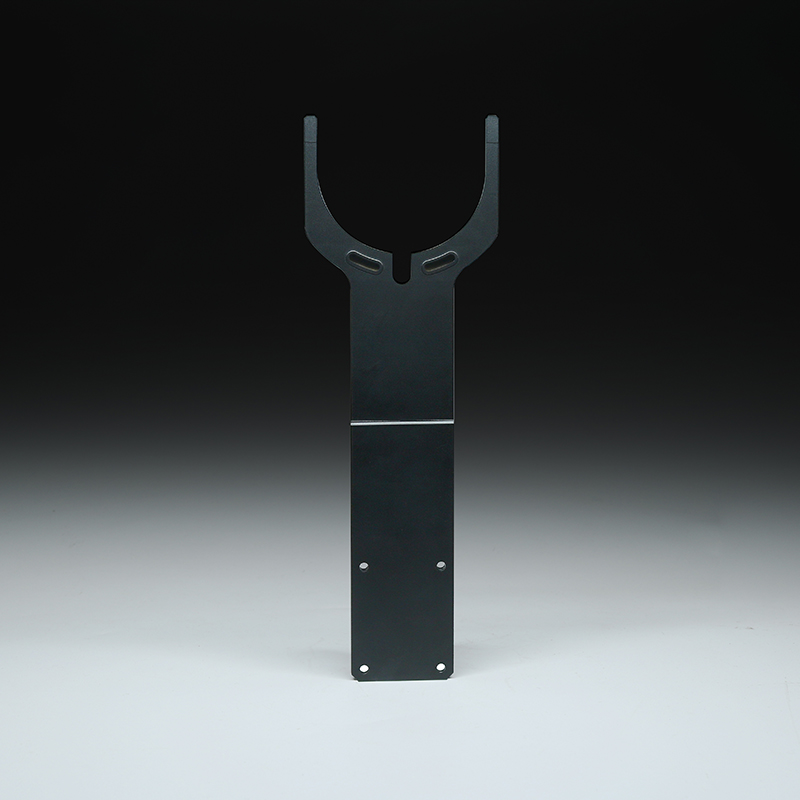
- Wafer handling parts
- Valve seats
- Alignment components
Loongceram provides high-purity ZTA suitable for demanding semiconductor environments.
3.2 Precision Machinery and Industrial Automation
Because ZTA reduces brittleness failures, it is ideal for components that require both durability and dimensional accuracy:
- Pump plungers
- Bearings
- Bushings
- Nozzles
- Sliding plates
The improved toughness extends component lifespan, lowering the maintenance frequency in automated production lines.
3.3 Medical Devices and Bioceramic Tools
ZTA is also used in medical-grade components due to its:
- Strength-to-weight ratio
- Wear resistance
- Biocompatibility
Examples include dental implants, surgical tools, and wear-resistant instruments.
3.4 Cutting Tools and Wear Parts
ZTA’s toughness advantage allows manufacturers to produce:
- Precision cutting blades
- Wire guides
- Capillaries
- Textile machinery components
These parts maintain high performance even under high friction and abrasive conditions.
4. Why Choose Loongceram for ZTA Materials?
As a specialized manufacturer of advanced ceramics, Loongceram delivers ZTA solutions optimized for high-tech applications.
Key Advantages of Loongceram’s ZTA Materials
- High-purity powders and industry-leading microstructure control
- Stable sintering processes ensuring dense, uniform grains
- Customizable ZrO₂ content (10–30%) for performance tuning
- Strict QC to ensure repeatability and consistency
- Full machining and shaping capabilities for complex geometries
Many engineering clients rely on Loongceram for ZTA components that must meet precision tolerance and long-term durability standards.
Conclusion
Zirconia Toughened Alumina (ZTA) offers a powerful combination of hardness, toughness, strength, and thermal stability—making it a top choice for engineering applications that demand reliability and high performance. As industries continue to push for higher precision and higher durability, ZTA is becoming one of the most widely adopted advanced ceramic materials.Manufacturers like Loongceram continue to refine ZTA production technology, enabling components that perform in extreme environments and deliver long-term operational benefits.If you are seeking high-strength, wear-resistant, and thermally stable ceramic solutions, ZTA is one of the most valuable materials to consider.