

Zirconia (zirconium dioxide, ZrO₂) is one of the most advanced ceramic materials used today in engineering, biomedical, electronics, and high-performance industrial applications. Among all its characteristics—strength, fracture toughness, wear resistance, thermal stability—zirconia density plays one of the most decisive roles. The density of zirconia not only defines its microstructural quality but also directly influences the most important zirconia ceramic properties that engineers rely on.
This article provides a detailed, structured, and SEO-optimized exploration of zirconia density, how it is measured, why it matters, and how it affects real-world performance.
1. Understanding Zirconia Density and Its Role in Advanced Ceramics
What Is Zirconia Density? Definition, Units, and Measurement Basics
Zirconia density refers to the mass per unit volume of zirconium dioxide, typically expressed in g/cm³. Theoretical density of pure monolithic zirconia is approximately 6.10 g/cm³, but actual values vary depending on stabilizers, sintering conditions, and microstructure.
Engineers distinguish between:
- Theoretical Density – Ideal crystalline density without any porosity
- Bulk Density – The actual density of a zirconia component including closed or open pores
Accurate density measurement is usually done using:
- Archimedes’ method
- Helium pycnometry
- X-ray diffraction + theoretical calculation
These measurements help evaluate sintering quality, porosity levels, and structural integrity.
Why Density Matters in Zirconia Ceramics
The connection between zirconia density and zirconia ceramic properties is direct and significant:
- Higher density = lower porosity
- Lower porosity = stronger, tougher, more reliable ceramic
- Dense zirconia exhibits superior fatigue resistance and long-term stability
Density is especially important for load-bearing applications in machinery, dental implants, valves, and bearings—where even micro-scale porosity can cause premature failure.
Microstructural Factors That Influence Zirconia Density
Achieving high zirconia density is not accidental. Several key factors determine the final microstructure:
- Stabilizer type and concentration (Y-TZP, Mg-PSZ, Ce-TZP)
- Sintering temperature and dwell time
- Powder particle size and distribution
- Green body compaction and forming technique
For example, Y-TZP zirconia (3 mol% yttria-stabilized tetragonal zirconia polycrystal) typically reaches the highest densities due to its fine grain size and excellent sinterability.
2. Zirconia Ceramic Properties That Are Directly Affected by Density
Mechanical Performance: Strength, Hardness, and Fracture Toughness
Zirconia is widely known for its transformation toughening mechanism—a unique property that gives it superior fracture resistance compared to most technical ceramics.However, this mechanism only works effectively when density is high.
- High-density zirconia has fewer structural defects
- It can achieve flexural strength exceeding 1000 MPa
- Fracture toughness can reach 8–12 MPa·m¹/², depending on stabilizers
- Grain boundaries remain clean and uniform, enabling predictable mechanical behavior
Low-density zirconia, by contrast, contains pores that act as crack initiators and significantly reduce mechanical strength.
Thermal and Electrical Properties Influenced by Zirconia Density
Although zirconia is a relatively low thermal conductivity ceramic (~2–3 W/m·K), density influences heat transfer behavior:
- Higher density = more consistent thermal performance
- Lower porosity = improved thermal shock resistance
Zirconia’s dielectric properties also depend on density—dense zirconia provides more stable electrical insulation, especially under high temperatures.
Corrosion and Wear Resistance: Why High Density Improves Durability
Dense zirconia is extremely resistant to chemical attack because pores are minimized, preventing the penetration of corrosive media.
Applications that benefit from high density include:
- Pump seals
- Valve seats
- Precision wear components
- Cutting tools
- Chemical processing fixtures
In each of these cases, density directly determines service life and reliability.
3. Typical Zirconia Density Values and How High-Density ZrO₂ Is Achieved
Standard Zirconia Density Ranges Across Different Systems
Different zirconia ceramic formulations exhibit slightly different densities:
| Zirconia Type | Typical Density |
|---|---|
| Y-TZP (3Y-ZrO₂) | 5.95–6.10 g/cm³ |
| Ce-TZP | 6.00–6.20 g/cm³ |
| Mg-PSZ | 5.70–5.85 g/cm³ |
| Pure zirconia (unstabilized) | ~6.10 g/cm³ but structurally unstable |
Y-TZP achieves the highest structural density due to fine grain size and efficient sintering, making it preferred for medical and high-load applications.
Manufacturing Techniques Used to Optimize Zirconia Density
Achieving >99% theoretical density in zirconia requires sophisticated processing methods:
- High-temperature pressureless sintering
- Cold isostatic pressing (CIP) + sintering
- Hot isostatic pressing (HIP) densification
- Advanced doping techniques for grain boundary control
HIP is particularly effective for achieving ultrahigh density by eliminating residual closed porosity after sintering.
How Manufacturers Ensure Density Reliability
Professional zirconia producers typically rely on:
- Controlled powder chemistry
- Precision sintering curve management
- SEM microstructure analysis
- Batch-to-batch density testing
- Grain size and porosity distribution checks
These steps ensure that the final zirconia density remains consistent with design requirements.
4. Engineering Applications Where Zirconia Density Determines Performance
Biomedical and Dental Applications
Zirconia is widely used for:
- Dental crowns and bridges
- Orthopedic implants
- Surgical tools
Dense zirconia provides:
- Exceptional fatigue resistance
- High bending strength
- Biocompatibility and aesthetic translucency
Low density in these applications is unacceptable, as it compromises long-term safety.
Industrial and Mechanical Applications
High-density zirconia is indispensable in:
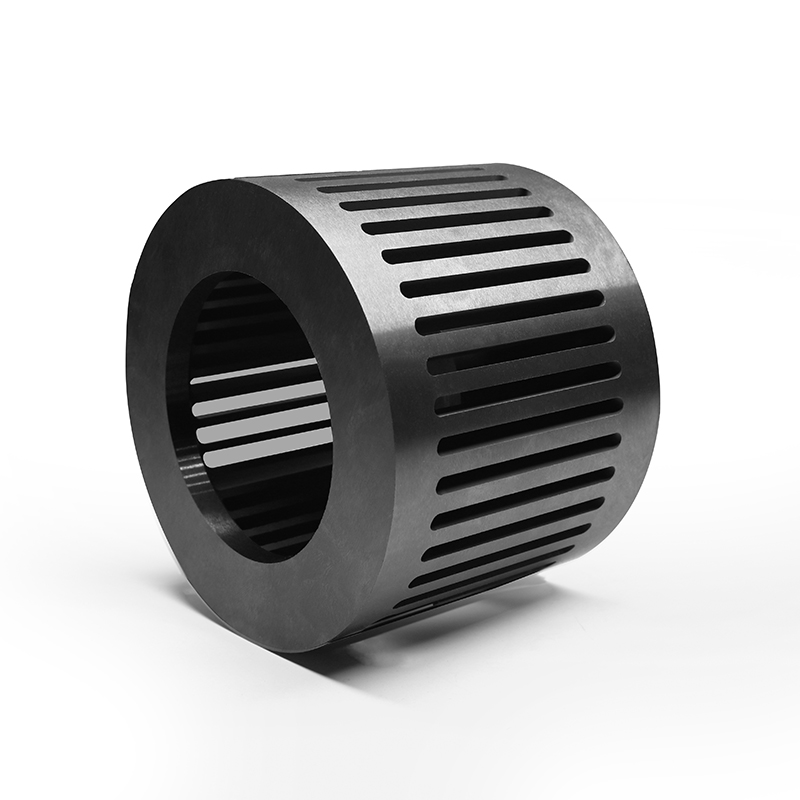
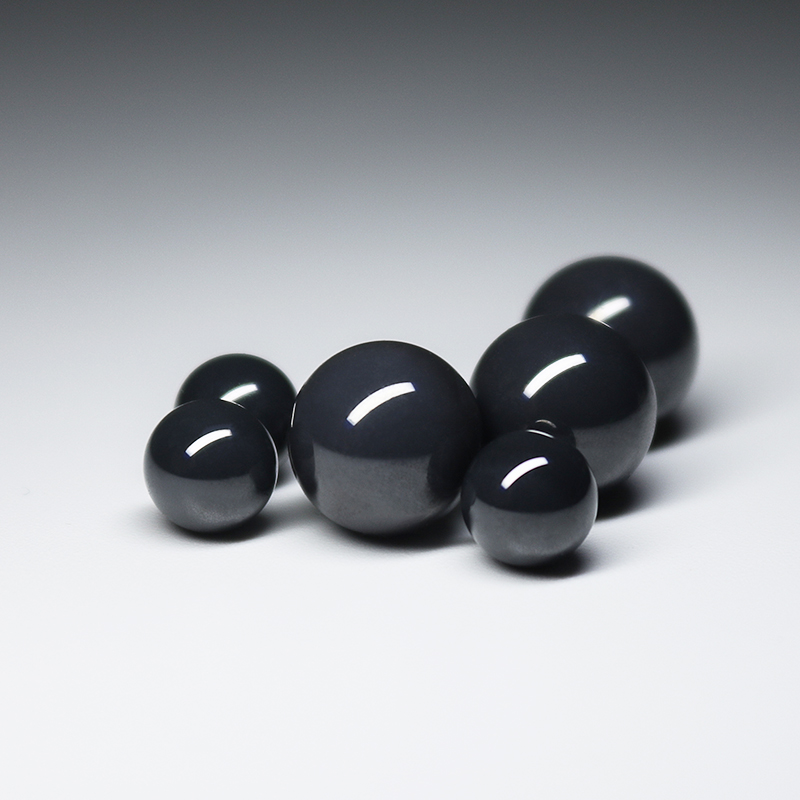
- Bearings
- Valves and valve seats
- Shafts, bushings, precision wear parts
- Pump components
- Grinding media
In these scenarios, porosity leads to rapid wear or catastrophic fracture; therefore, achieving high density is critical.
Advanced Electronics and Precision Components
Dense zirconia is also used in:
- Precision fixture blocks
- Optical alignment components
- Semiconductor processing tools
- High-precision metrology parts
Here, density ensures dimensional stability, insulation performance, and consistent thermal expansion.
Conclusion
Zirconia density is one of the most important parameters determining the final behavior and reliability of zirconia ceramics. From mechanical strength and fracture toughness to wear resistance, dielectric stability, and corrosion performance, density defines the core zirconia ceramic properties that engineers depend on. Understanding zirconia density and how it affects performance helps manufacturers, designers, and engineers choose the right zirconia material for demanding applications.