

The Importance of Structural Ceramics in Modern Industries
Introduction: Why Structural Ceramics Matter Today
As industrial systems continue to operate under increasingly extreme conditions—higher temperatures, greater mechanical loads, aggressive chemical environments, and stricter reliability requirements—structural ceramics have become indispensable materials in modern engineering.
Unlike traditional ceramics used primarily for aesthetic or domestic purposes, structural ceramics are engineered specifically to bear mechanical loads, resist wear, and maintain stability under extreme thermal and chemical stress. Today, they play a critical role across aerospace, automotive, semiconductor manufacturing, energy systems, and advanced industrial equipment.
What Are Structural Ceramics?
Structural ceramics refer to a class of advanced ceramic materials designed for load-bearing and mechanically demanding applications. They are often referred to as:
- Advanced ceramics
- Engineering ceramics
- Technical ceramics
- High-performance ceramics
From a materials science perspective, structural ceramics are characterized by:
- High-purity raw materials
- Controlled microstructure
- Dense sintered bodies
- Precisely engineered grain boundaries
These characteristics allow structural ceramics to outperform metals and polymers in environments where temperature, wear, corrosion, or electrical insulation are critical constraints.
However, ceramics are inherently brittle. Modern structural ceramics address this limitation through microstructural design, composite reinforcement, and phase transformation mechanisms, significantly improving fracture resistance and reliability.
Classification of Structural Ceramics
Structural ceramics are typically divided into three major categories based on chemical composition and microstructural design.
1. Oxide Ceramics
Typical oxide ceramics include:
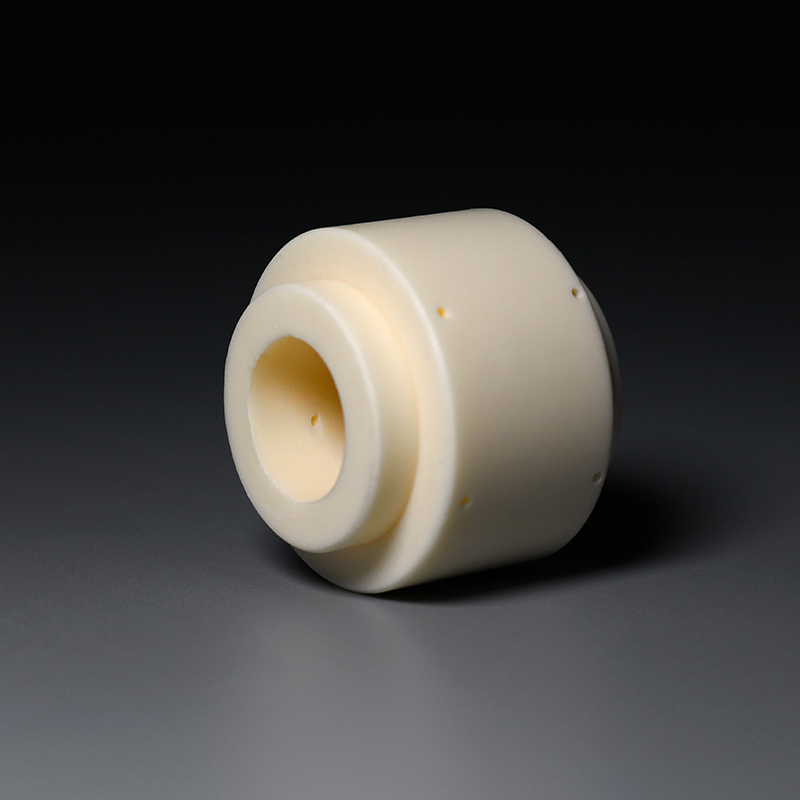
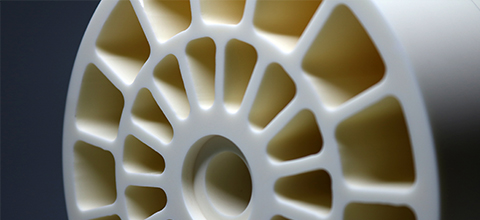
- Alumina (Al₂O₃)
- Zirconia (ZrO₂)
- Beryllia (BeO)
Key advantages:
- Excellent chemical stability
- Strong oxidation resistance
- Good electrical insulation
- Mature processing technologies
Oxide ceramics are widely used in electrical insulation components, wear parts, semiconductor fixtures, and biomedical applications.
2. Non-Oxide Ceramics
This category includes carbides and nitrides such as:
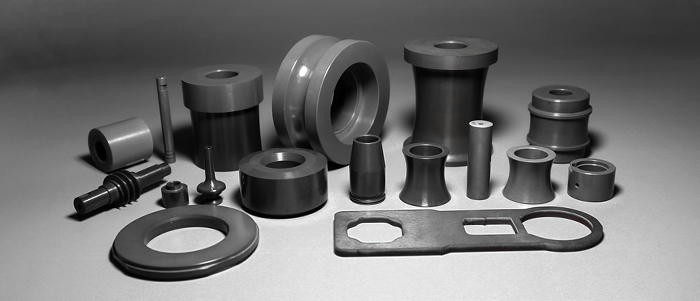
Key advantages:
- Higher mechanical strength at elevated temperatures
- Superior thermal shock resistance
- Better thermal conductivity (for selected materials)
Non-oxide ceramics are critical in high-temperature structural components, semiconductor processing equipment, and advanced thermal management systems.
3. Ceramic Matrix Composites (CMCs)
Ceramic matrix composites combine a ceramic matrix with reinforcing phases such as:
- Fibers (carbon or ceramic fibers)
- Particles (e.g., zirconia-toughened alumina)
Key advantages:
- Improved fracture toughness
- Enhanced damage tolerance
- Better resistance to catastrophic failure
CMCs are increasingly used in aerospace thermal protection systems, turbine components, and high-performance industrial applications.
Key Properties of Structural Ceramics
High Thermal Stability
Structural ceramics maintain mechanical integrity at temperatures where most metals soften or creep. Many ceramics remain stable above 1000 °C, with some materials operating beyond 2000 °C, making them ideal for extreme thermal environments.
Exceptional Hardness and Wear Resistance
Due to strong covalent or ionic bonding and dense crystal structures, structural ceramics exhibit:
- High Vickers hardness
- Outstanding abrasion resistance
- Long service life under sliding or erosive wear
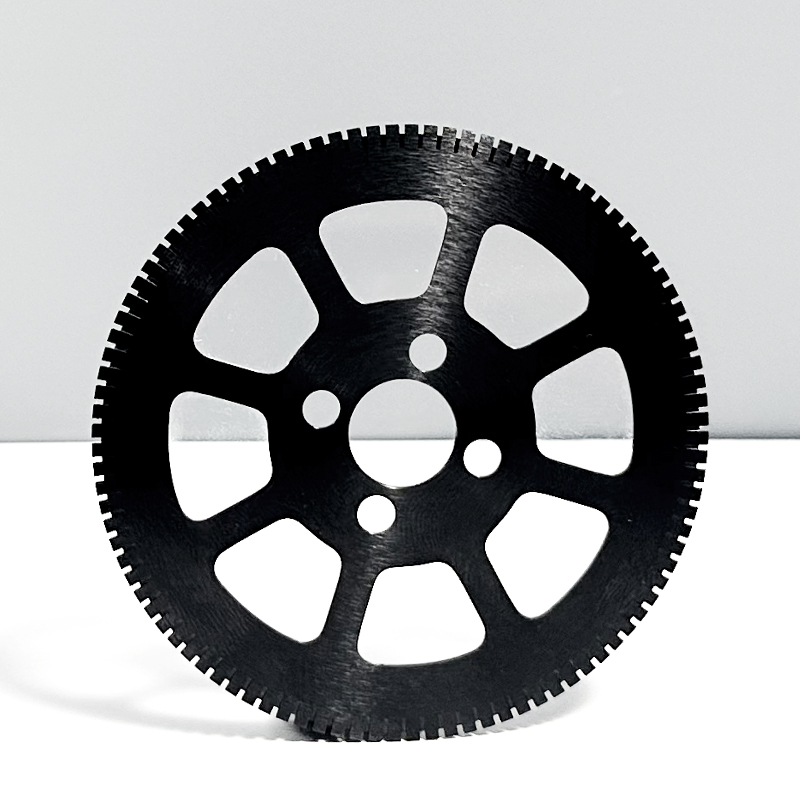
This makes them suitable for cutting tools, bearings, seals, and wear-resistant linings.
Chemical Inertness and Corrosion Resistance
Structural ceramics resist:
- Acids and alkalis
- Oxidizing and reducing atmospheres
- Molten metals and aggressive gases
This chemical stability significantly extends component lifespan in chemical processing, energy, and semiconductor industries.
Electrical Insulation and Dielectric Stability
Most structural ceramics exhibit excellent electrical insulation properties, even at elevated temperatures. This enables their use in:
- High-voltage insulation
- Semiconductor processing fixtures
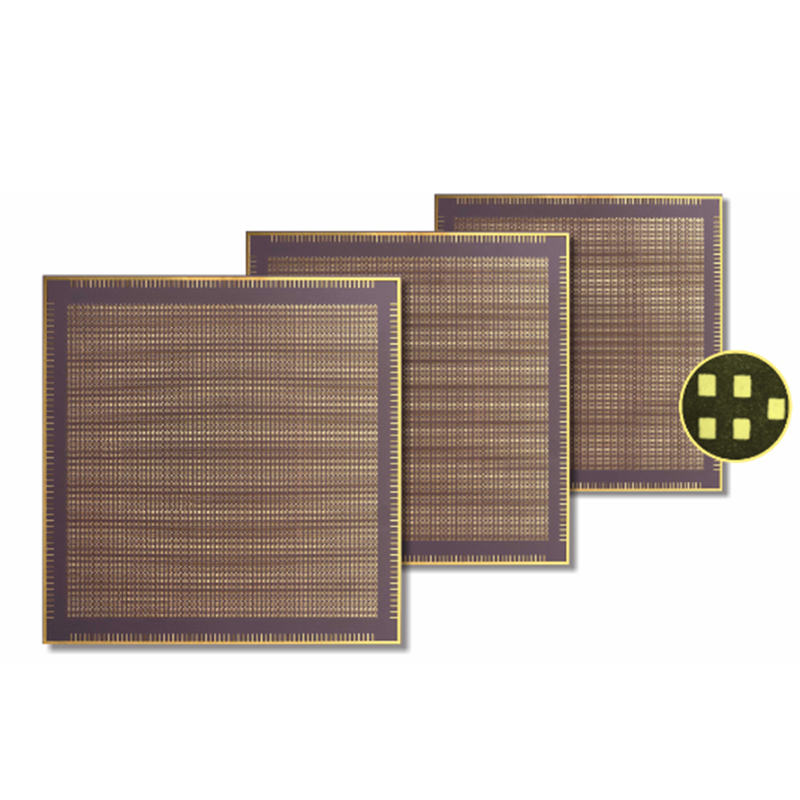
- Electrical and electronic packaging systems
Low Density and Lightweight Design
Compared with steel or superalloys, structural ceramics offer lower density, contributing to system-level weight reduction—particularly valuable in aerospace and high-speed mechanical systems.
Structural Ceramics vs. Traditional Ceramics
| Aspect | Structural Ceramics | Traditional Ceramics |
|---|---|---|
| Raw materials | High-purity engineered powders | Natural clay-based materials |
| Processing | Precision forming, advanced sintering | Conventional shaping and firing |
| Microstructure | Dense, controlled grain size | Porous, heterogeneous |
| Mechanical strength | High | Low |
| Thermal resistance | Excellent | Limited |
| Typical applications | Aerospace, semiconductors, energy | Tiles, bricks, tableware |
This comparison highlights why structural ceramics are essential for modern industrial engineering, rather than decorative or architectural use.
Why Structural Ceramics Are Critical in Modern Industries
Long-Term Reliability
Structural ceramics exhibit minimal wear, corrosion, and thermal degradation, resulting in extended service life and reduced maintenance requirements.
Cost Efficiency Over Lifecycle
Although initial material and processing costs are higher, the total cost of ownership is often lower due to:
- Longer operational lifespan
- Reduced downtime
- Lower replacement frequency
Environmental and Sustainability Benefits
- High durability reduces material waste
- Lightweight components lower energy consumption
- Many ceramics are chemically inert and recyclable
Safety in Extreme Environments
Structural ceramics are widely used in high-risk environments—such as aerospace propulsion, high-temperature furnaces, and energy systems—where material failure could lead to catastrophic consequences.
Typical Industrial Applications
Structural ceramics are now integral to:
- Aerospace: thermal protection systems, turbine components
- Automotive: brake systems, engine components
- Energy: turbines, nuclear insulation, renewable systems
- Semiconductors: wafer processing fixtures, insulation parts
- Medical: orthopedic implants, dental components
- Industrial equipment: bearings, seals, pump components
Frequently Asked Questions (FAQ)
Q1: Why are ceramics suitable for structural applications despite being brittle?
Advanced processing, microstructural control, and composite design significantly improve toughness and reliability.
Q2: What is the difference between structural ceramics and functional ceramics?
Structural ceramics focus on mechanical and thermal performance, while functional ceramics emphasize electrical, magnetic, or optical functions.
Q3: Can structural ceramics replace metals completely?
Not universally. Structural ceramics excel under extreme conditions but require careful design due to brittleness.
Conclusion
Structural ceramics represent a cornerstone material class for modern high-performance engineering. Their unique combination of thermal stability, mechanical strength, chemical resistance, and electrical insulation enables applications that traditional materials cannot sustain.
As industries continue to demand higher efficiency, reliability, and sustainability, structural ceramics will play an increasingly strategic role in advanced manufacturing and engineering systems.