

Introduction
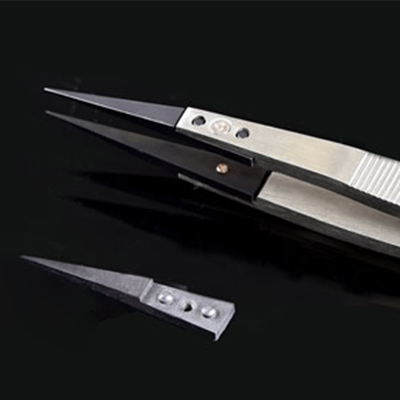
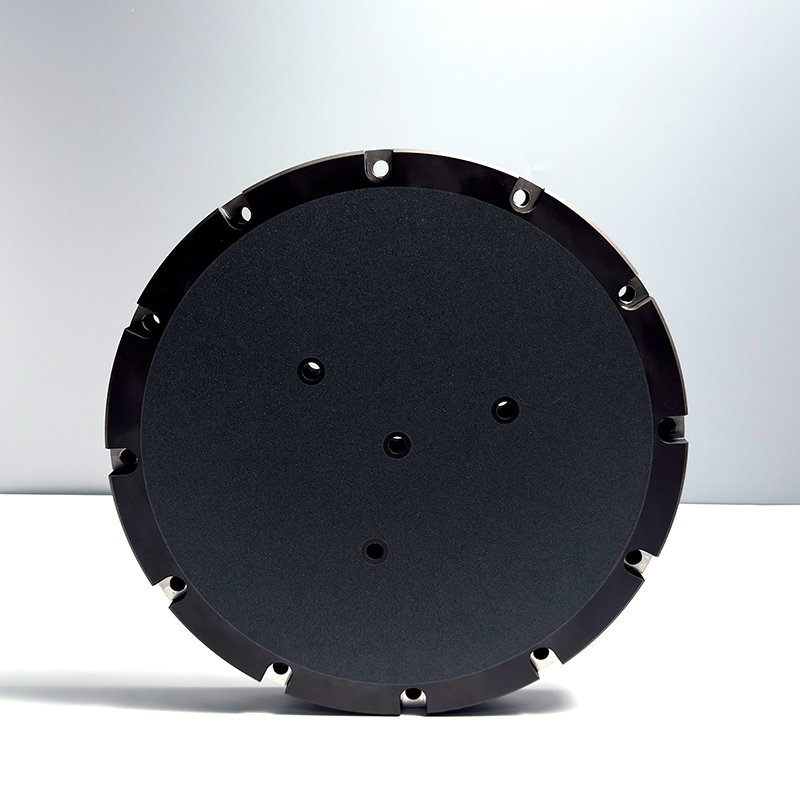
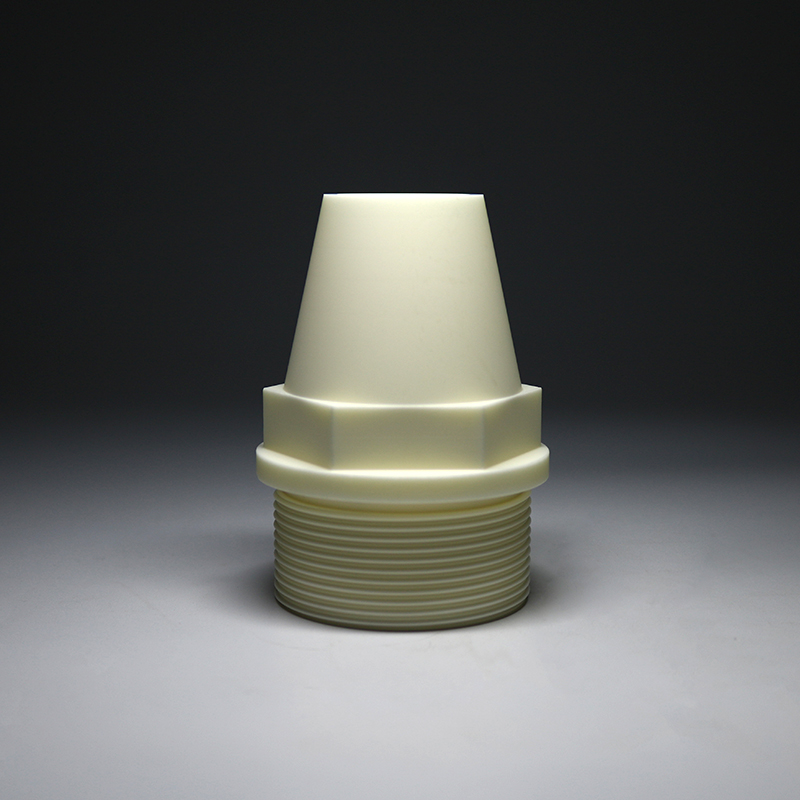
As modern industries continue to push the limits of temperature, mechanical load, precision, and chemical stability, conventional materials such as metals and polymers are increasingly unable to meet performance requirements. In this context, technical ceramics—also known as advanced ceramics, engineering ceramics, or high-performance ceramics—have become indispensable materials across a wide range of high-end industrial applications.
Unlike traditional ceramics used for construction or domestic purposes, technical ceramics are engineered materials, developed through precise control of composition, microstructure, and manufacturing processes. Their unique combination of mechanical strength, thermal stability, wear resistance, and chemical inertness enables reliable performance in extreme and demanding environments.
This article provides a comprehensive, engineering-oriented overview of technical ceramics, covering their definition, classification, key properties, processing characteristics, and role in modern industries.
What Are Technical Ceramics?

Technical ceramics are inorganic, non-metallic materials produced from highly refined powders and processed under carefully controlled conditions to achieve specific mechanical, thermal, electrical, or chemical properties.
From a materials science perspective, technical ceramics differ fundamentally from traditional ceramics in three aspects:
- High-purity raw materials (oxides, carbides, nitrides, borides)
- Engineered microstructures with controlled grain size and phase distribution
- Advanced forming and sintering technologies that maximize density and performance
Because their properties can be tailored through compositional design and processing optimization, technical ceramics are widely used as structural and functional components in high-performance systems.
Classification of Technical Ceramics
Technical ceramics are commonly classified into three main categories based on chemical composition and structural design.
1. Oxide Ceramics
Oxide ceramics are composed primarily of metal oxides and are valued for their chemical stability and ease of processing.
Typical materials include:
- Alumina (Al₂O₃)
- Zirconia (ZrO₂)
- Beryllia (BeO)
- Cordierite (Mg₂Al₄Si₅O₁₈)

Key characteristics:
- Excellent oxidation and corrosion resistance
- Good electrical insulation
- Stable performance in oxidizing environments
Oxide ceramics are widely used in electrical insulation, wear components, semiconductor fixtures, and precision structural parts.
2. Non-Oxide Ceramics
Non-oxide ceramics include carbides, nitrides, and borides, which are typically bonded by strong covalent or mixed covalent–ionic bonds.
Representative materials include:

Key characteristics:
- Higher mechanical strength at elevated temperatures
- Superior thermal shock resistance
- In some cases, high thermal conductivity
Non-oxide ceramics are essential in high-temperature structural applications, semiconductor manufacturing equipment, and advanced thermal management systems.
3. Ceramic Matrix Composites (CMCs)
Ceramic matrix composites consist of a ceramic matrix reinforced with fibers or particles to improve toughness and damage tolerance.
Typical examples include:
- Zirconia-toughened alumina (ZTA)
- Fiber-reinforced ceramic composites
Key characteristics:
- Improved fracture toughness
- Better resistance to catastrophic failure
- Enhanced reliability under mechanical stress
CMCs are increasingly used in aerospace, energy, and extreme-environment applications.
Key Properties of Technical Ceramics
Mechanical Strength and Hardness
Technical ceramics exhibit extremely high compressive strength and hardness compared with metals. Their strong atomic bonding and dense crystal structures provide excellent resistance to deformation and wear, making them suitable for high-load and high-wear applications.
Wear and Abrasion Resistance
Due to their hardness and chemical stability, technical ceramics demonstrate outstanding wear resistance under sliding, rolling, and erosive conditions. This significantly extends service life in components such as bearings, seals, nozzles, and pump parts.
Thermal Stability and High-Temperature Capability
Many technical ceramics maintain structural integrity at temperatures exceeding 1000–1700°C, far beyond the limits of conventional metallic materials. They exhibit low creep rates and minimal thermal degradation, enabling long-term operation in high-temperature environments.
Chemical and Corrosion Resistance
Technical ceramics are inherently resistant to most acids, alkalis, molten metals, and aggressive chemical atmospheres. This property is particularly valuable in chemical processing, semiconductor fabrication, and energy systems.
Electrical and Thermal Properties
Depending on composition, technical ceramics can function as:
- Excellent electrical insulators (e.g., alumina)
- High thermal conductivity substrates (e.g., aluminum nitride)
- Thermal insulation materials (e.g., cordierite)
This versatility allows them to be used in electronic packaging, power devices, and thermal management applications.
Density and Lightweight Design
Compared with steel and superalloys, technical ceramics offer lower density, enabling lightweight structural design without compromising performance—an important advantage in aerospace and high-speed mechanical systems.
Technical Ceramics vs Traditional Ceramics
| Aspect | Technical Ceramics | Traditional Ceramics |
|---|---|---|
| Raw materials | High-purity engineered powders | Natural clay-based materials |
| Processing | Precision forming and advanced sintering | Conventional shaping and firing |
| Microstructure | Dense, controlled, low porosity | Porous and heterogeneous |
| Mechanical performance | High strength and reliability | Limited strength |
| Industrial use | Aerospace, semiconductors, energy | Construction, household items |
This comparison highlights why technical ceramics are considered engineering materials rather than decorative materials.
Manufacturing Characteristics of Technical Ceramics
The performance of technical ceramics is closely linked to their manufacturing processes, which typically include:
- Powder preparation and purification
- Forming (dry pressing, isostatic pressing, injection molding)
- High-temperature sintering under controlled atmosphere
- Precision machining and surface finishing
Strict control over each step is essential to achieve the required density, microstructural uniformity, and dimensional accuracy for industrial applications.
Industrial Applications of Technical CeramicsTechnical ceramics are now widely used in:
- Semiconductor manufacturing: wafer processing fixtures, insulating components, thermal management parts
- Automotive industry: engine components, brake systems, wear-resistant parts
- Aerospace: thermal protection systems, turbine components
- Energy systems: fuel cells, nuclear insulation, renewable energy equipment
- Medical technology: implants, dental ceramics, surgical components
- Industrial machinery: bearings, seals, pump and valve components
Their role continues to expand as industries demand higher reliability and performance under extreme conditions.
Frequently Asked Questions (FAQ)
Q1: Why are technical ceramics suitable for extreme environments?
Their strong atomic bonding, thermal stability, and chemical inertness allow them to perform where metals and polymers fail.
Q2: Are technical ceramics brittle?
While ceramics are inherently brittle, modern material design, composite reinforcement, and process control significantly improve toughness and reliability.
Q3: Can technical ceramics replace metals entirely?
Not in all applications. However, in high-temperature, high-wear, or corrosive environments, technical ceramics often outperform metals.
Conclusion
Technical ceramics represent a critical class of materials for modern industry. Their unique combination of mechanical strength, thermal stability, wear resistance, and chemical durability enables applications that are impossible for traditional materials.
As advanced manufacturing, semiconductor technology, and energy systems continue to evolve, technical ceramics will remain a foundational material supporting the next generation of industrial innovation.