

Introduction: Why Material Selection Matters More Than Design
In engineering design and industrial manufacturing, using the wrong material often creates more risk and cost than an imperfect design.
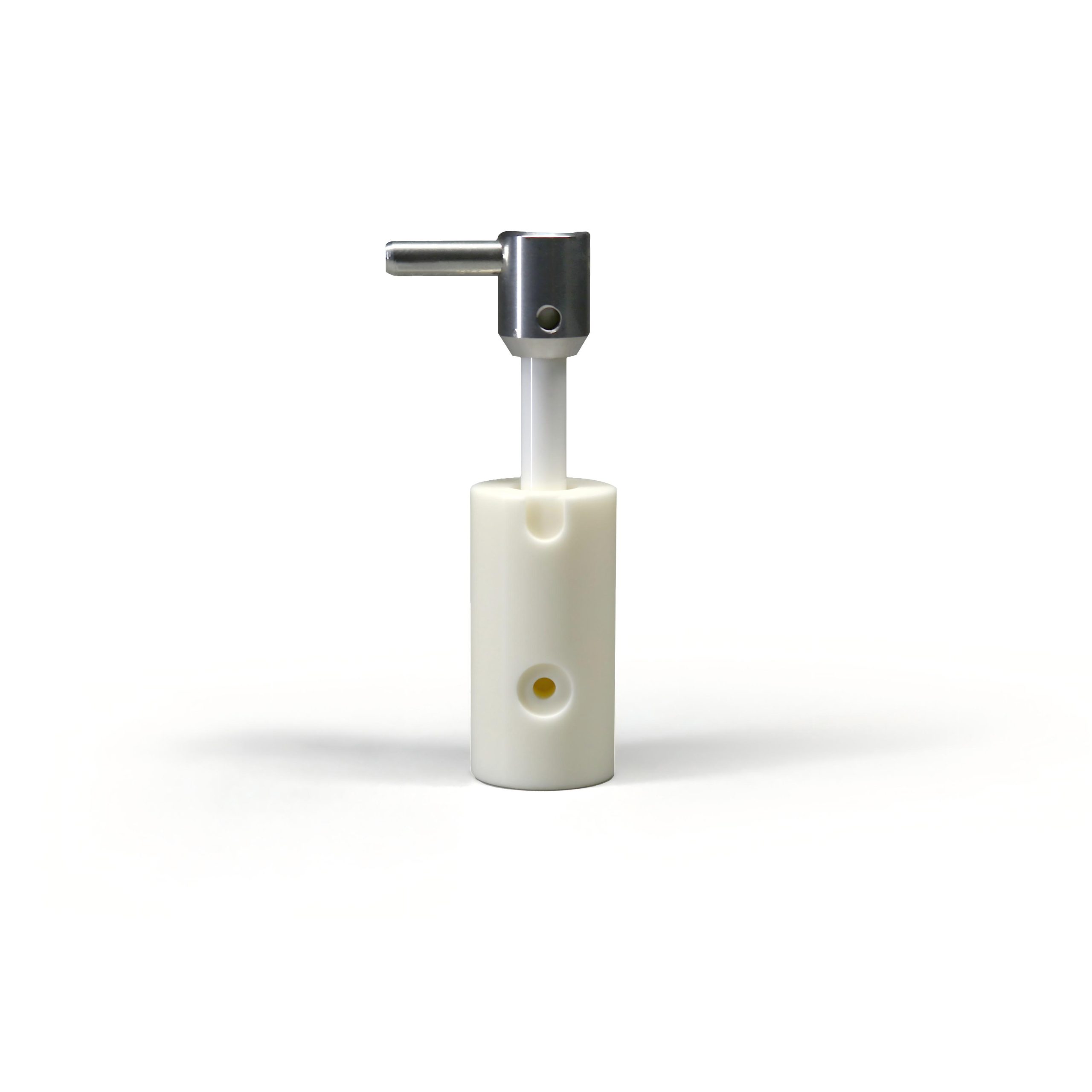
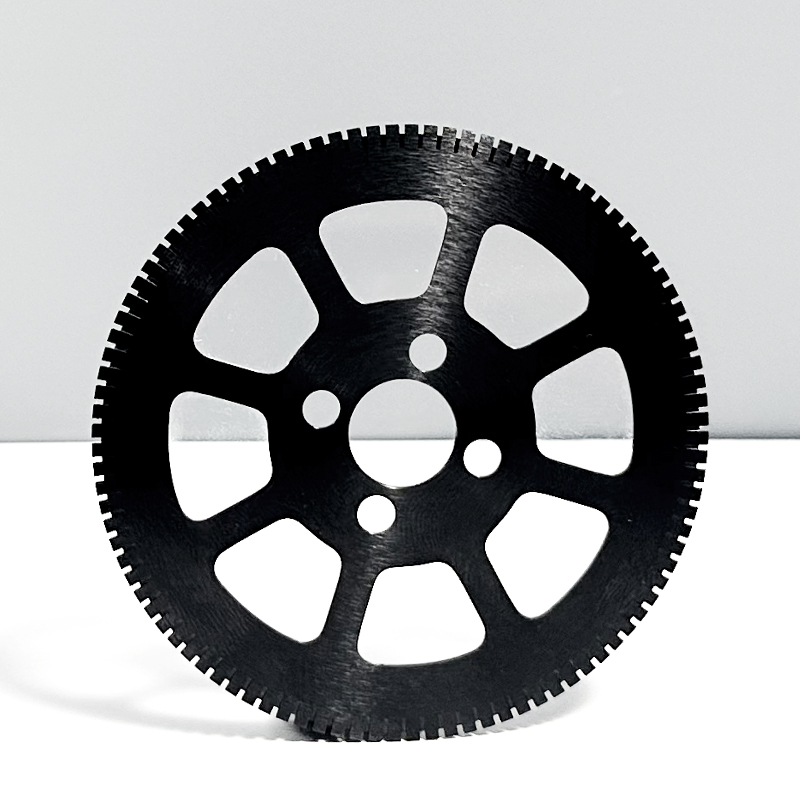
Technical ceramics—known for their high hardness, electrical insulation, chemical inertness, and thermal stability—are now indispensable in electronics packaging, mechanical sealing systems, energy equipment, semiconductors, and aerospace applications.However, the category of ceramic materials is vast. From alumina to silicon nitride, from zirconia to silicon carbide, each material exhibits completely different mechanical, thermal, electrical, and chemical behaviors.Selecting the right ceramic is not simply choosing “the hardest material,” but making a system-level engineering decision based on performance requirements, manufacturing feasibility, and the service environment.
1. A Systematic Logic for Selecting Ceramic Materials
A robust selection process must consider five major categories of properties:
| Property Category | Key Indicators | Engineering Significance | Typical Standards |
|---|---|---|---|
| Mechanical | Hardness, flexural strength, fracture toughness | Load capacity, wear resistance | ASTM C1161, ISO 14704 |
| Thermal | Thermal conductivity, CTE, thermal shock resistance | Heat management, dimensional stability | ASTM E228, ASTM C484 |
| Electrical | Dielectric strength, permittivity, dielectric loss | Insulation, RF/high-frequency performance | ASTM D149 |
| Chemical Stability | Corrosion resistance, oxidation resistance | High-temperature/chemical environments | ASTM G31 |
| Manufacturing & Cost | Forming process, sintering difficulty, machining | Production feasibility & cost control | — |
2. Key Property Analysis and Material Comparison
2.1 Mechanical Properties: Balancing Strength and Toughness
- Alumina (Al₂O₃)
Hardness ~1800 HV, flexural strength 300–400 MPa
→ Ideal for seals, bearings, structural insulators. - Zirconia (ZrO₂)
Fracture toughness 7–10 MPa·m¹ᐟ² due to transformation toughening
→ Suitable for impact or cyclic load environments (cutting tools, implants). - Silicon Nitride (Si₃N₄)
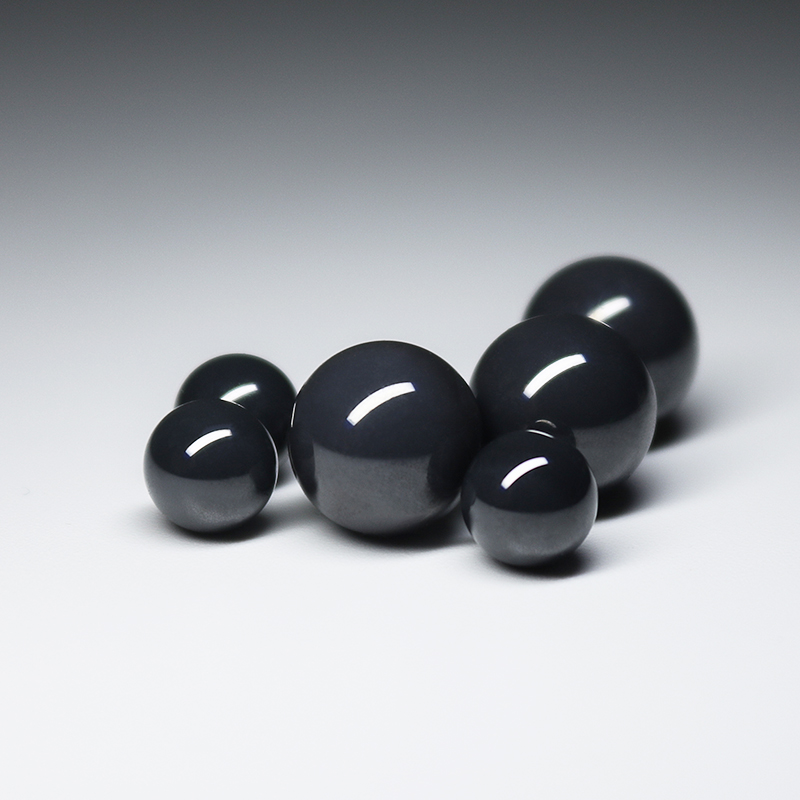
High strength, fatigue resistance
→ Used in engine components, turbocharger rotors, precision bearings.
Design Insight:
If cyclic load or shock exists, choose ZrO₂ or Si₃N₄.
For single-direction stress or high wear, Al₂O₃ is more cost-effective.
2.2 Thermal Properties: The Trade-Off Between Thermal Conductivity and Thermal Shock
Thermal performance is often the decisive factor in electronics and high-temperature systems.
- Aluminum Nitride (AlN)
Thermal conductivity 180–200 W/m·K
→ Best-in-class for power electronics substrates and heat spreaders. - Silicon Carbide (SiC)
Thermal conductivity 120–150 W/m·K + excellent thermal shock resistance
→ Used in heat exchangers, semiconductor fixtures, burners. - Alumina (Al₂O₃)
Thermal conductivity 20–30 W/m·K
→ Good for electrical insulation at moderate cost.
Engineering Guideline:
For rapid heating/cooling or high heat flux → AlN or SiC
For insulation + stable cost → Al₂O₃
2.3 Electrical Properties: Insulation and Dielectric Behavior
Electronic and semiconductor devices are highly sensitive to dielectric performance.
- Al₂O₃:Permittivity 9–10; dielectric strength ~15 kV/mm
- AlN:Permittivity 8.5–9; excellent balance of insulation + heat conduction
- Si₃N₄:Moderate insulation (10⁸–10⁹ Ω·cm), good for high-voltage structures
Selection Logic:
- High-frequency circuits → lower permittivity (AlN)
- High insulation/voltage isolation → Al₂O₃
- Mechanical + electrical requirements → Si₃N₄
2.4 Chemical and Environmental Stability
Ceramics are often selected for their resistance to harsh environments:
- Al₂O₃:Resistant to most acids and bases
- SiC:Oxidation resistance up to 1600°C, excellent anti-corrosion
- Si₃N₄:Outstanding resistance to steam & high-temperature oxidation
2.5 Cost & Manufacturability: The Reality from Lab to Factory
Even if a ceramic material performs well, its manufacturing difficulty determines whether it is feasible for production.
| Material | Forming Difficulty | Sintering Temperature | Relative Cost (Al₂O₃ = 1) |
|---|---|---|---|
| Al₂O₃ | Easy | 1600°C | 1 |
| ZrO₂ | Medium | 1450°C | 2–3 |
| Si₃N₄ | Difficult (requires pressure) | 1750°C | 3–5 |
| SiC | Very difficult (reaction sintering / >2000°C) | 2000°C | 4–6 |
| AlN | Medium (requires N₂ protection) | 1800°C | 3–4 |
3. Typical Applications and Recommended Materials
| Application Field | Operating Conditions | Recommended Materials | Key Reason |
|---|---|---|---|
| Electronics Packaging / Thermal Modules | High heat flux, insulation | AlN, Al₂O₃ | Thermal + dielectric performance |
| Mechanical Seals / Bearings | Wear, shock load | Si₃N₄, ZrO₂ | Strength + toughness |
| High-Temperature Energy Systems | Oxidation, chemical corrosion | SiC, Si₃N₄ | Thermal shock + corrosion resistance |
| Biomedical Implants | Bio-inert, low wear | ZrO₂, Al₂O₃ | Biocompatibility |
| Chemical Valves / Pipes | Acid, alkali, erosion | SiC, Al₂O₃ | Superior chemical resistance |
Loongeram uses this matrix routinely in design consultations for customers across semiconductor, new energy, and precision machinery industries.
4. Practical Steps for Selecting the Right Ceramic Material
- Define operating conditions:temperature, load, atmospheric environment, electrical requirements
- Identify 2–3 decisive performance indicators:e.g., thermal conductivity, CTE, toughness
- Shortlist candidate materials:using databases (MatWeb, AZoM) + Loongeram internal material datasets
- Evaluate performance vs. cost:build a performance-cost matrix
- Verify through testing:ASTM/ISO standards for thermal cycling, mechanical reliability, dielectric strength
Loongeram also provides custom material comparison reports and prototype testing to assist in final selection.
Conclusion: Material Selection Is a System-Level Engineering Activity
Advanced ceramics are not universal solutions—they are precision components in a larger engineering system.
Datasheets alone are not enough. Effective ceramic selection requires understanding the interplay between performance, manufacturing feasibility, cost, and application environment.Choosing the correct ceramic material is the key to ensuring reliable performance in extreme conditions and maximizing equipment lifespan.At Loongeram, ceramic material selection is not just a recommendation—it is a process backed by materials science expertise, engineering experience, and reliable manufacturing quality.