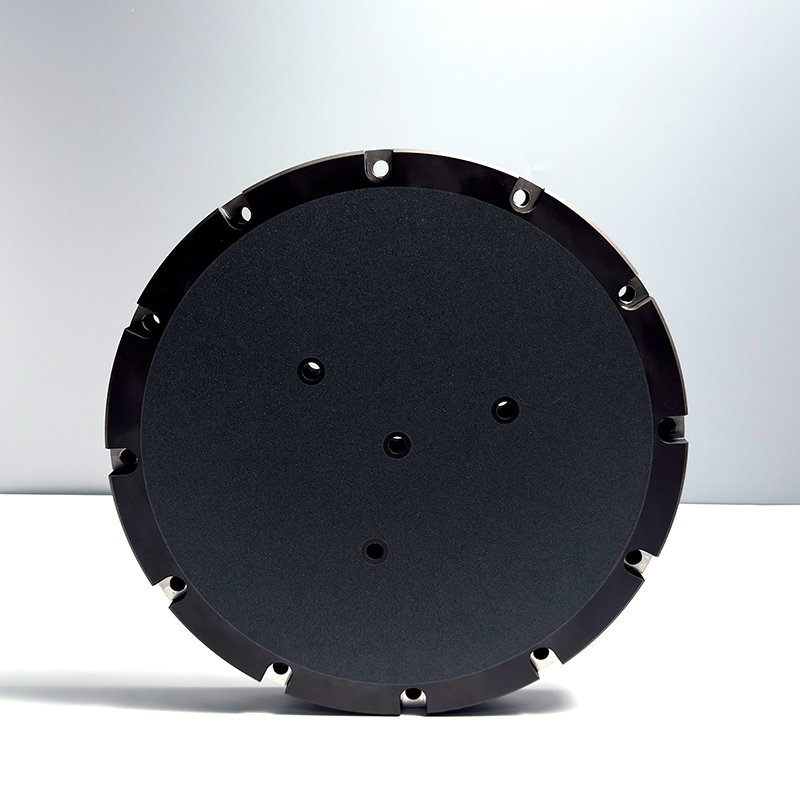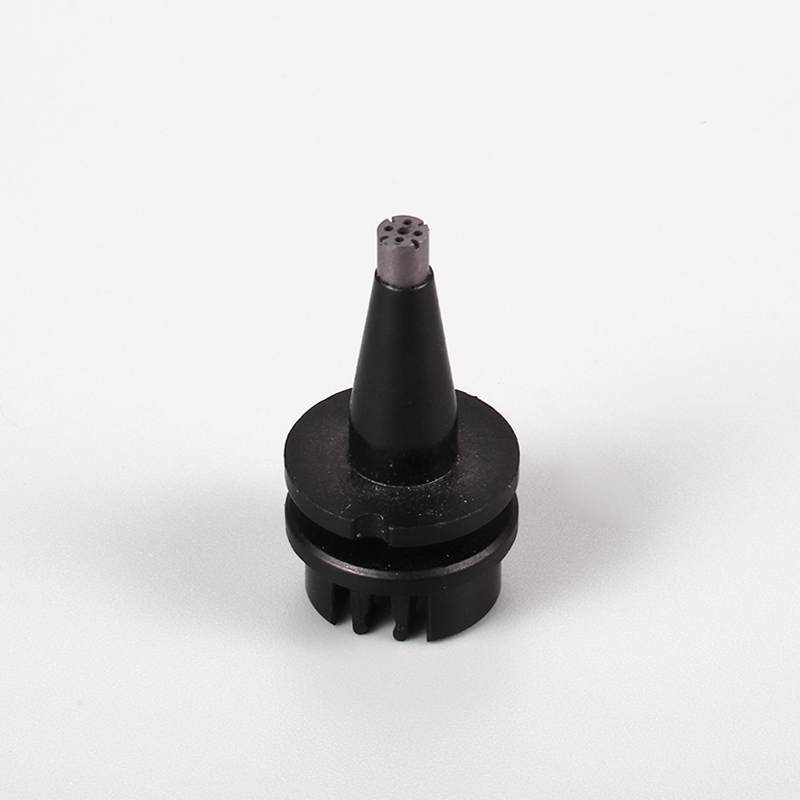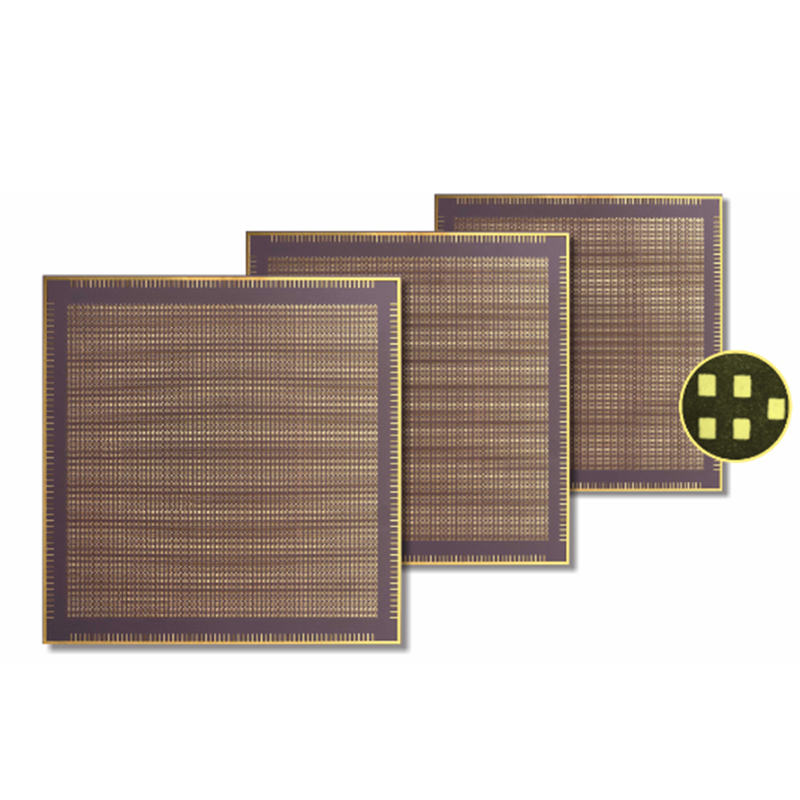


Alumina ceramics (Al₂O₃) are widely regarded as one of the most important structural and functional ceramic materials in modern engineering and advanced manufacturing. With outstanding mechanical strength, thermal stability, and electrical insulation, alumina has become a foundational material in electronics, machinery, chemical engineering, energy, and other high-tech industries. It also serves as a benchmark for studying various advanced ceramic systems.
1. Microstructural Characteristics of Alumina Ceramics: How Atomic Arrangement Determines Performance
Alumina is a typical ionic–covalent bonded ceramic. The aluminum ions (Al³⁺) and oxygen ions (O²⁻) exhibit strong bonding energy and form highly stable crystal structures. The most common crystal phases include α-Al₂O₃, γ-Al₂O₃, and δ-Al₂O₃, among which α-Al₂O₃ (corundum) is the most thermodynamically stable and the dominant phase used in industrial applications.
Main Crystal Phases
- α-Al₂O₃ (Corundum)
Hexagonal structure, extremely dense and hard, with excellent chemical inertness and thermal stability. - γ-Al₂O₃
Cubic structure, high surface area, commonly used as a catalyst support.
The Al–O bond energy can reach 512 kJ/mol, giving alumina exceptional mechanical strength, high-temperature stability, and chemical resistance. Compared with silicate ceramics, alumina contains almost no glassy phase, resulting in tight grain boundaries and superior wear resistance and insulation performance.
2. Key Performance Indicators of Alumina Ceramics
From an engineering perspective, the performance of alumina ceramics can be categorized into mechanical, thermal, electrical, and chemical properties.
| Property Category | Indicator | Typical Value | Description |
|---|---|---|---|
| Density | ρ | 3.9 g/cm³ | Highly dense, excellent impermeability |
| Hardness | HV | 1700–2000 kg/mm² | About 10× harder than steel |
| Flexural Strength | σᵦ | 300–600 MPa | Depends on purity and sintering conditions |
| Thermal Conductivity | λ | 25–35 W/(m·K) | Better than most conventional ceramics |
| Thermal Expansion | α | 7.5 × 10⁻⁶ /K | Close to metals, lower thermal stress |
| Volume Resistivity | ρᵥ | ≥10¹⁴ Ω·cm | Exceptional insulation performance |
| Dielectric Strength | E | 13–15 kV/mm | Suitable for high-voltage insulation |
| Chemical Stability | — | Excellent chemical inertness | Resistant to acids, alkalis, molten salts |
These properties allow alumina ceramics to maintain long-term reliability in extreme environments—such as high temperatures, high voltages, corrosive atmospheres, and heavy wear conditions.
3. Core Advantages of Alumina Ceramics
1) High Hardness and Superior Wear Resistance
With a Mohs hardness of 9, second only to diamond and cubic boron nitride, alumina is widely used in mechanical seals, pump components, bearings, and nozzles to reduce friction and extend service life.
2) Excellent Electrical Insulation and Dielectric Strength
Alumina maintains high resistivity even above 1000°C, making it the material of choice for electronic substrates, vacuum tube bases, sensor housings, and electrical insulators.
3) Exceptional Thermal Stability and Thermal Shock Resistance
The dense α-Al₂O₃ lattice remains stable above 1600°C. Its thermal expansion matches several metals, enabling reliable metal–ceramic joining and stable high-temperature operation.
4) Strong Chemical Resistance and Environmental Stability
Alumina is resistant to acids, alkalis, and molten salts. Its inert behavior makes it suitable for harsh chemical environments, reactors, laboratory instruments, and protective components.
4. Industrial Applications of Alumina Ceramics: From Traditional Uses to Advanced Technologies
Electronics and Electrical Engineering
- IC package substrates
- Vacuum electronic components
- High-voltage insulators
- Precision resistors and sensor bases
Its stable dielectric constant and low loss tangent make alumina the industry-standard material for microelectronics packaging.
Mechanical and Structural Components
- Mechanical seal rings
- Cutting tool inserts
- Textile machinery guides
- Wear-resistant nozzles and bearings
High wear resistance significantly improves equipment lifespan and operational reliability.
Chemical and Metallurgical Industries
- High-temperature furnace linings
- Crucibles and reaction tubes
- Catalyst carriers (especially γ-Al₂O₃)
γ-Al₂O₃ plays an irreplaceable role in petroleum refining and catalytic conversion.
Medical and Bioceramics
- Artificial joint femoral heads
- Dental implants and prosthetic bases
High-purity alumina shows excellent biocompatibility and long-term wear resistance in the human body.
5. Conclusion
Alumina ceramics bridge the gap between traditional materials and next-generation high-performance ceramics. With their unique combination of hardness, insulation, chemical stability, and thermal reliability, alumina ceramics are indispensable across modern industries and remain a key research direction in materials science.
As processing technologies continue to advance—such as nano-sintering, hot isostatic pressing, and precision machining—alumina ceramics will move further toward functionalization, intelligence, and high-end applications.