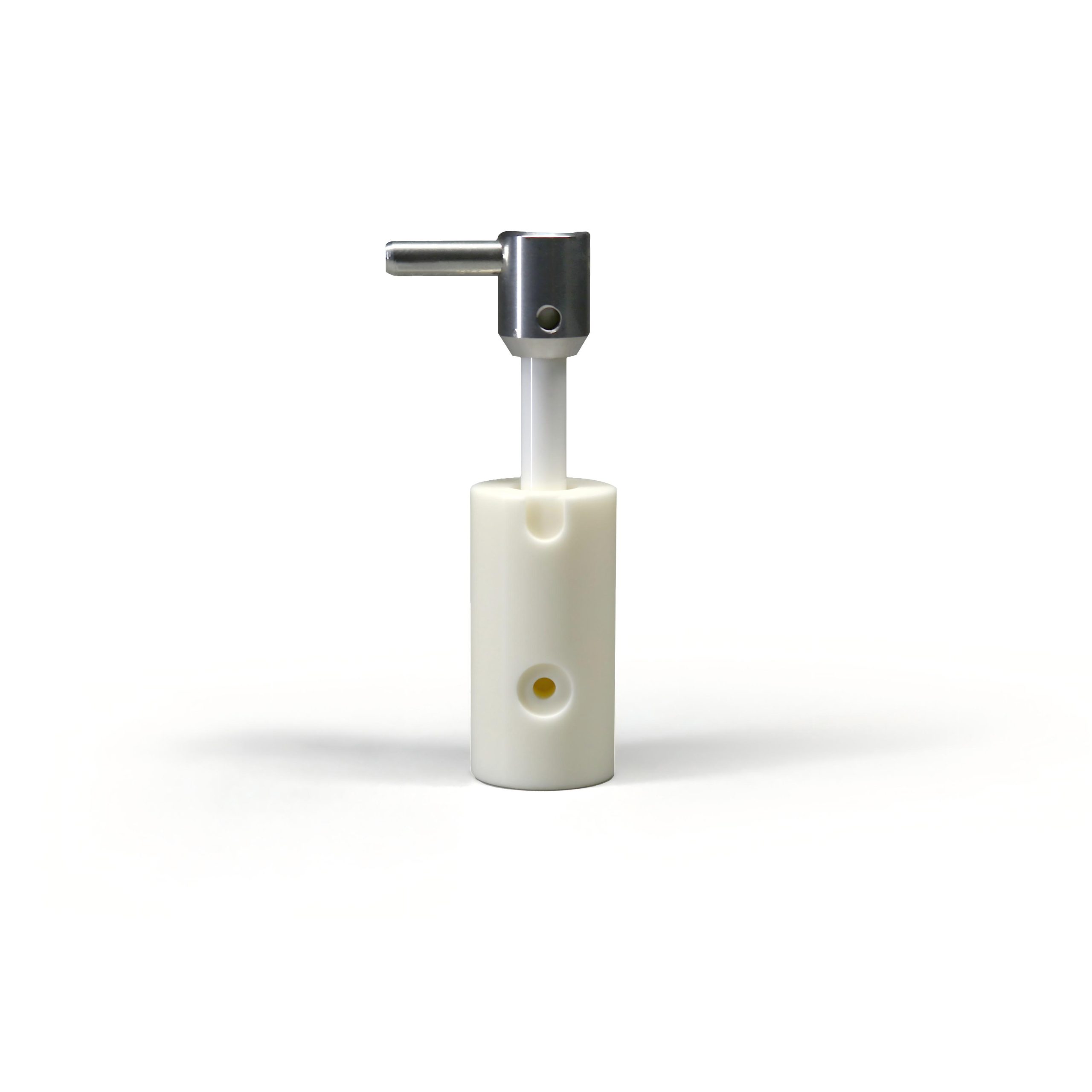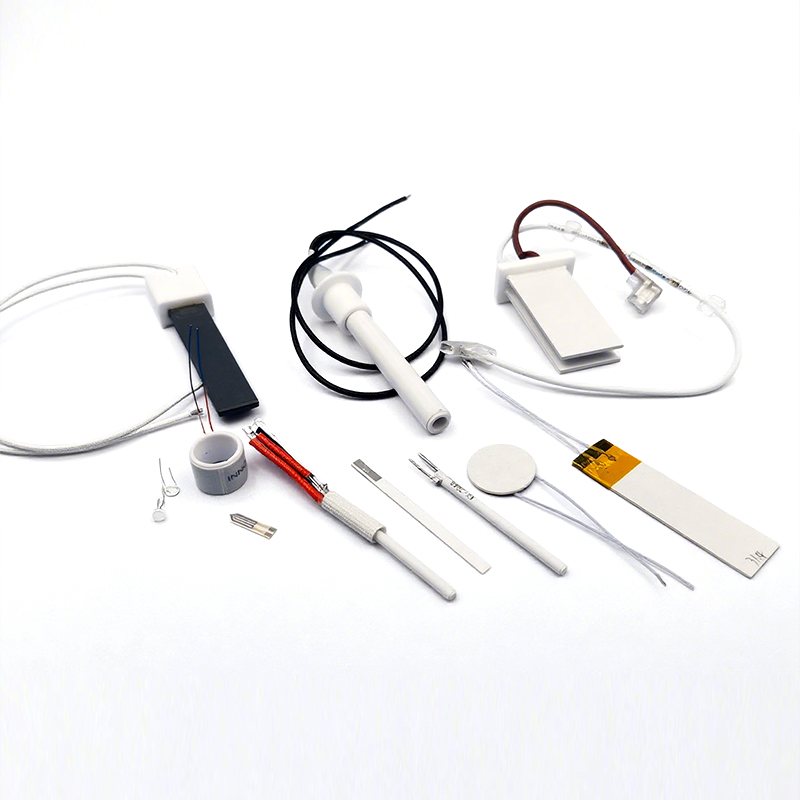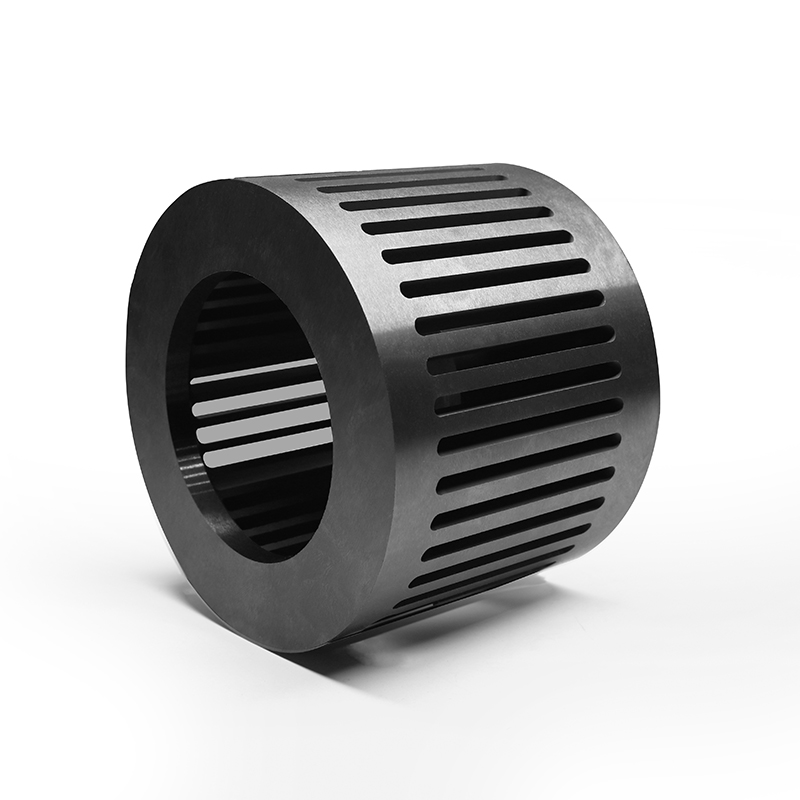


Zirconia-Toughened Alumina (ZTA) ceramics challenge the traditional perception of ceramics as materials that are hard yet inherently brittle. By combining the high hardness and wear resistance of alumina with the toughness and impact resistance of zirconia, ZTA has emerged as a balanced, high-performance ceramic system suitable for industrial manufacturing, precision engineering, and medical applications.
The ZTA powder series developed by Loongeram is engineered through controlled compositional design and advanced powder processing technologies, enabling ceramics that achieve a rare combination of strength, toughness, and long-term stability under demanding service conditions.
1. Why ZTA Is Considered a Performance Benchmark Ceramic
The key advantage of ZTA ceramics lies in their synergistic multi-phase microstructure, where alumina and zirconia work together rather than compete.
ZTA typically consists of:
- An α-alumina matrix providing high hardness and wear resistance
- Yttria-stabilized zirconia nanoparticles acting as a toughening phase
This structure enables multiple performance-enhancing mechanisms:
- High hardness: Alumina delivers a strong mechanical backbone, with microhardness values reaching up to 21 GPa—far exceeding most metallic materials.
- Transformation toughening: Zirconia undergoes stress-induced phase transformation, absorbing crack energy and increasing fracture toughness by more than 30% compared to monolithic alumina.
- Thermal and chemical stability: After sintering at approximately 1550 °C, ZTA ceramics achieve densities above 99%, offering excellent dimensional stability and corrosion resistance in complex environments.
To support diverse manufacturing routes, Loongeram ZTA powders are produced using advanced spray-drying techniques and compatible binder systems, making them suitable for uniaxial pressing, ceramic injection molding, and slurry-based forming processes.
2. Loongeram ZTA Product Portfolio and Key Properties
Loongeram has developed a comprehensive ZTA powder portfolio to address different performance and application requirements.
| Grade | Zirconia Content | Key Performance Features | Typical Sintered Properties | Typical Applications |
|---|---|---|---|---|
| ZTA10-LP | ~10% | Cost-effective wear resistance | Flexural strength ~600 MPa, hardness >18 GPa | Ceramic substrates, standard wear parts |
| ZTA12 | 12% | Balanced hardness and toughness | Flexural strength ~740 MPa, fracture toughness ~4.5 MPa·m¹ᐟ² | General wear components, ceramic blades |
| ZTA24 SRCR | 24% | Ultra-high strength, medical-grade purity | Flexural strength ~1200 MPa, purity 99.9% | Medical implants (e.g., hip joints) |
| ZTA25 | 25% | High toughness with excellent wear resistance | Flexural strength ~900 MPa, fracture toughness >5 MPa·m¹ᐟ² | Heavy-duty wear and impact-resistant components |
3. Key Grade-Specific Engineering Highlights
ZTA10
An entry-level ZTA grade with excellent cost-performance balance.
- Minimum purity: 99.5%
- Median particle size: ~30 μm
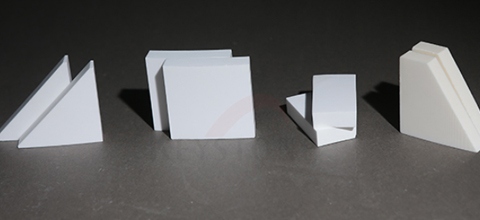
- Suitable for large-volume production of standard wear parts and ceramic substrates.
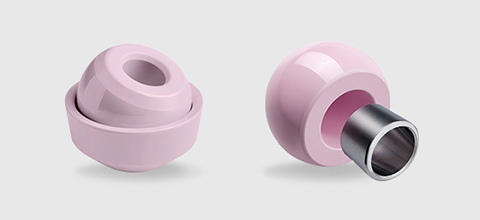
ZTA24 (Medical Grade)
Designed specifically for biomedical applications.
- Optimized with SrO and Cr₂O₃ additives
- Extremely low impurity levels (Na₂O, SiO₂ total <40 ppm)
- Flexural strength up to 1200 MPa
- Ideal for load-bearing ceramic implants such as hip joint components.
ZTA25
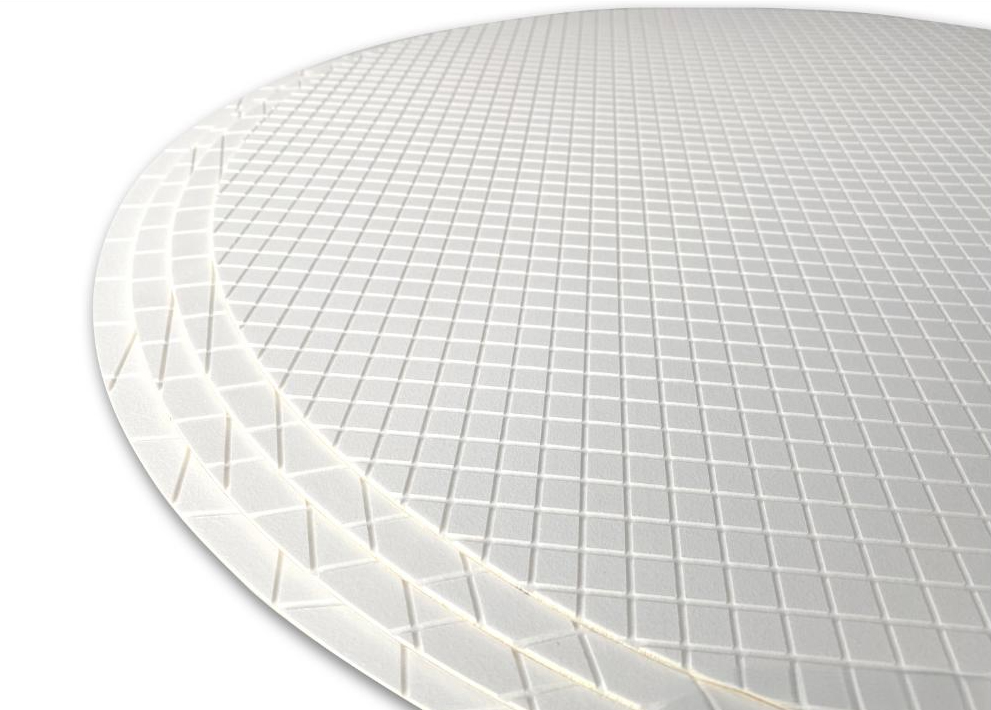
A high-performance grade offering superior toughness and wear resistance.
- Zirconia content: 25%
- Sintered density >4.34 g/cm³
- Alumina grain size ~0.6–0.7 μm
- Suitable for components exposed to both severe wear and mechanical shock.
4. Application Areas Where ZTA Demonstrates Clear Advantages
Medical Implants
ZTA24 combines high strength, excellent biocompatibility, and outstanding wear resistance, significantly extending the service life of ceramic hip joints and reducing debris generation in long-term implantation.
Industrial Wear Components
In mining, mechanical processing, and building material industries, ZTA12 and ZTA25 wear parts (liners, grinding media, nozzles) exhibit wear resistance 3–5 times higher than high-chromium steels, reducing downtime and maintenance costs.
Precision Engineering
ZTA10 and ZTA12 are widely used for ceramic blades, precision bearings, and electronic ceramic bases. Their hardness ensures dimensional accuracy, while thermal and electrical stability meet the requirements of high-precision equipment.
Specialized High-Temperature and Corrosive Environments
Chromium-containing ZTA variants provide enhanced corrosion and heat resistance, making them suitable for chemical processing equipment and high-temperature furnace components.
5. Why Choose Loongeram ZTA Powders
Beyond material performance, Loongeram offers comprehensive engineering support:
- Customized formulations: Chromium-doped grades, color customization, and tailored compositions without minimum order constraints
- Process-level support: Technical guidance from powder selection to sintering, supported by MSDS documentation
- Stable supply capability: Standardized production and 20 kg packaging ensure consistent quality for industrial-scale procurement
6. Engineering Summary
Zirconia-toughened alumina is not simply a compromise between alumina and zirconia.
It is a microstructurally engineered ceramic system designed to deliver reliable performance where wear resistance, toughness, and stability must coexist.
From industrial wear parts to medical implants, ZTA ceramics represent a mature, scalable solution for engineers seeking predictable long-term performance in demanding applications.