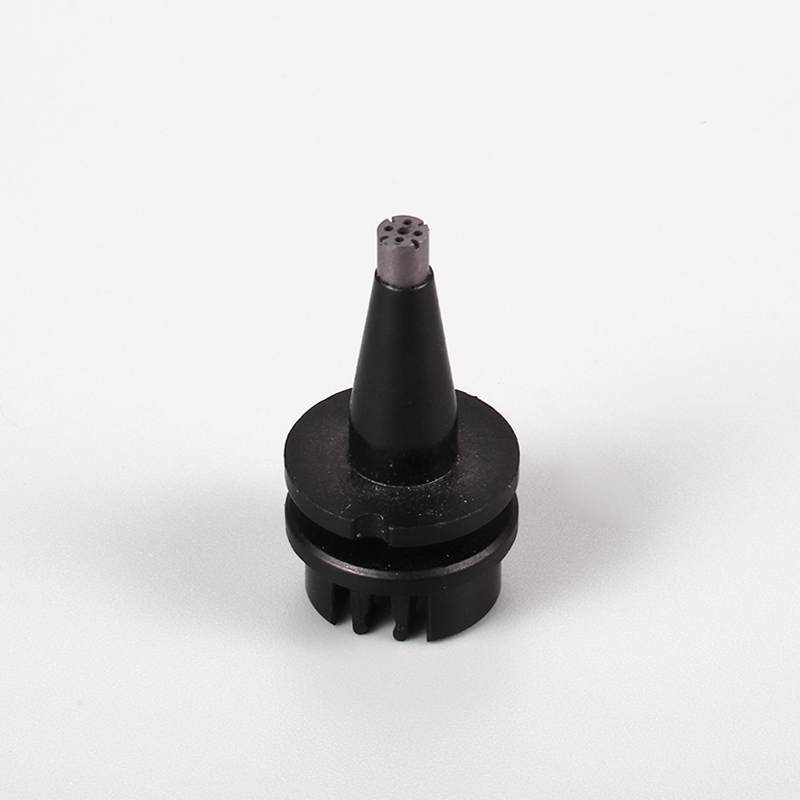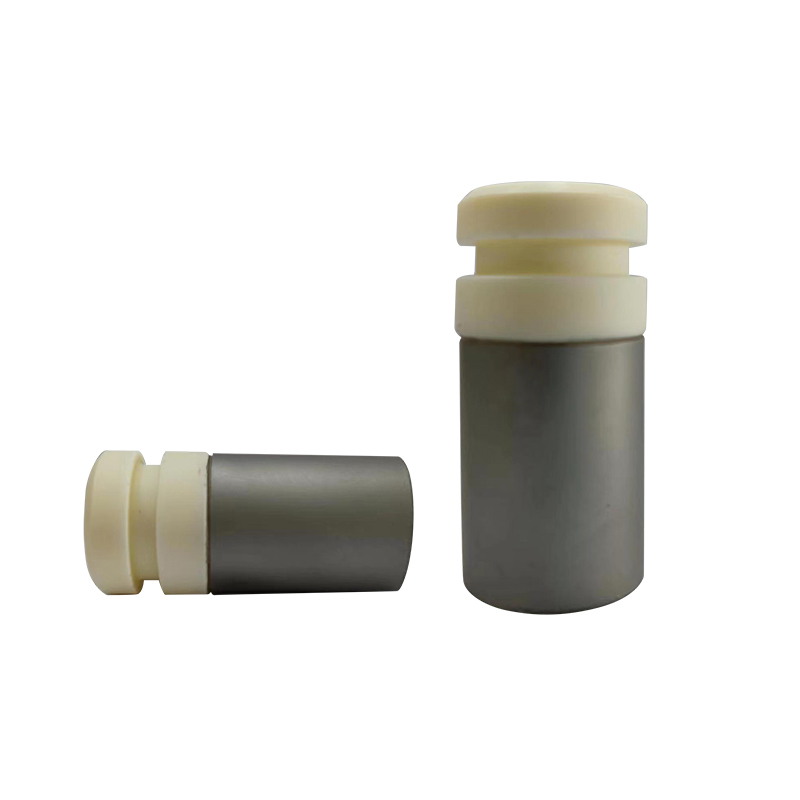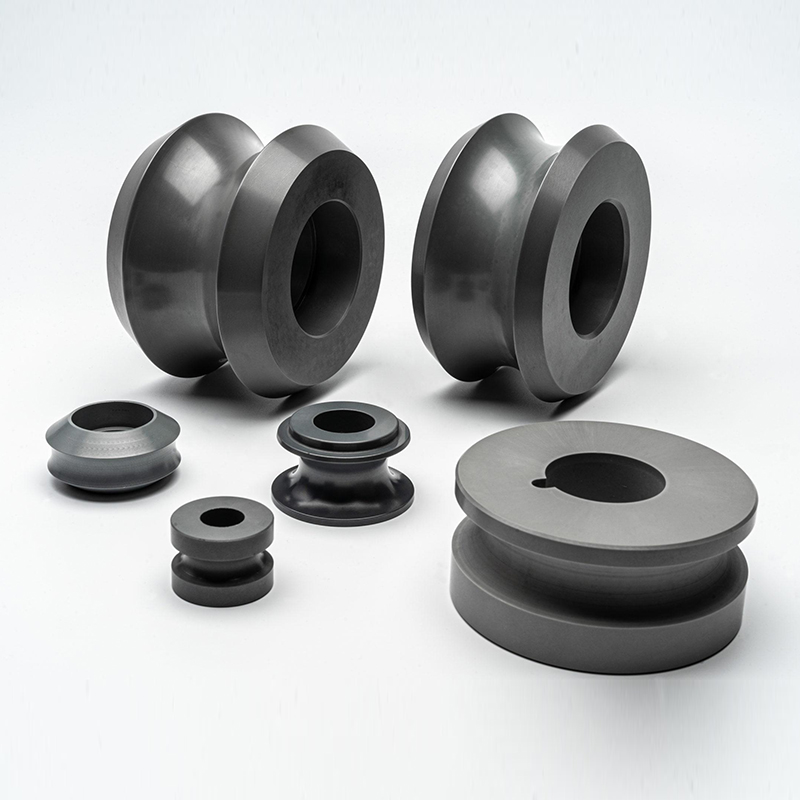


1. Why Cordierite Ceramics Matter in Semiconductor Manufacturing
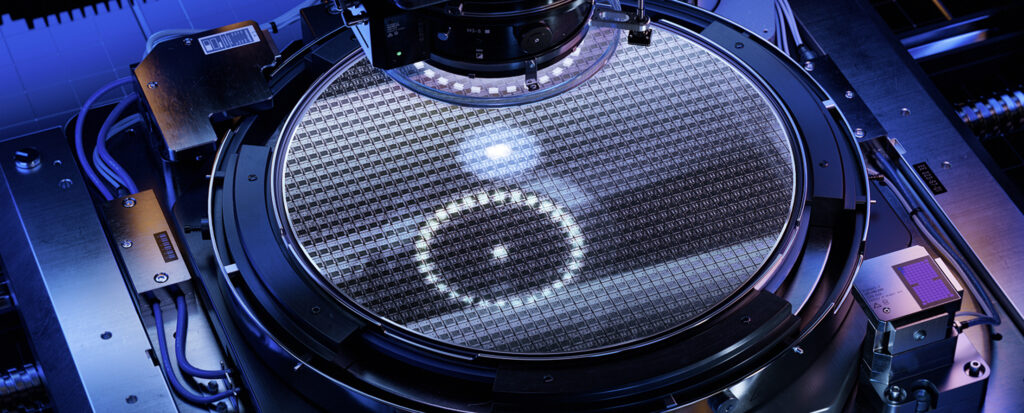
Modern semiconductor fabrication operates at the intersection of thermal precision, mechanical stability, and long-term dimensional reliability. As device geometries shrink and process temperatures fluctuate more frequently, material selection for structural and insulating components becomes increasingly critical.
High-purity cordierite ceramic has emerged as a preferred material for non-contact, non-active semiconductor components due to its low thermal expansion, excellent thermal shock resistance, and stable insulating behavior. Unlike materials selected solely for strength or thermal conductivity, cordierite is chosen for its ability to maintain geometric integrity over extended thermal cycling.
2. What Is Cordierite Ceramic?
2.1 Chemical Composition and Structure
Cordierite is a magnesium aluminosilicate ceramic with the ideal chemical formula:
Mg₂Al₄Si₅O₁₈
Its crystal structure consists of a rigid tetrahedral framework formed by SiO₄ and AlO₄ units, with magnesium ions occupying channel-like sites. This structural arrangement leads to directionally compensated lattice expansion, which is the fundamental origin of cordierite’s low coefficient of thermal expansion (CTE).
In semiconductor-grade cordierite, impurity control and phase stability are essential. Trace alkali elements can significantly affect dielectric behavior and long-term dimensional stability, making high-purity processing a non-negotiable requirement.
3. Key Material Properties Relevant to Semiconductor Equipment
3.1 Thermal Expansion and Stability
| Property | High-Purity Cordierite Ceramic |
|---|---|
| CTE (20–300 °C) | 0.5-1.0×10⁻⁶/k |
| Thermal Shock Resistance | Excellent |
| Long-Term Thermal Drift | Very Low |
| Phase Stability | High (cordierite-dominant) |
Low CTE reduces thermal stress between ceramic components and metallic or composite assemblies, minimizing alignment errors during heating and cooling cycles common in semiconductor processes.
3.2 Electrical and Mechanical Behavior
Cordierite ceramics provide:
- High electrical insulation stability across temperature ranges
- Moderate elastic modulus, allowing stress accommodation
- Predictable fracture behavior compared with glass-derived materials
These characteristics are particularly important in plasma processing, deposition chambers, and metrology systems, where electrical isolation and geometric repeatability are required.
4. Why High Purity Is Critical in Semiconductor Cordierite Ceramics
Not all cordierite ceramics are suitable for semiconductor use. High-purity cordierite differs from conventional grades in several aspects:
- Reduced alkali content, minimizing ionic migration risks
- Controlled phase composition to avoid secondary silicate phases
- Uniform microstructure to ensure isotropic thermal behavior
At Loongeram, semiconductor-grade cordierite ceramics are developed with a focus on process repeatability rather than nominal property values, ensuring stable performance over long equipment lifetimes.
5. Typical Semiconductor Applications of Cordierite Ceramics
5.1 Structural Support and Alignment Components
Cordierite ceramics are widely used for:
- Equipment base supports
- Precision alignment frames
- Thermally stable reference structures
Their low thermal expansion ensures that critical alignment relationships are preserved during temperature ramping and extended operation.
5.2 Insulating Components in Process Chambers
In etching, deposition, and thermal treatment systems, cordierite serves as:
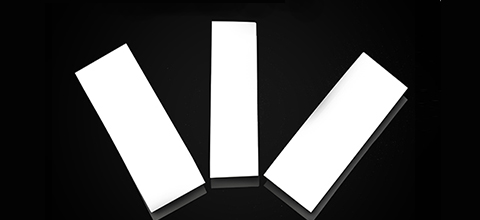
- Electrical insulation plates
- Non-conductive support fixtures
- Structural isolation components
Unlike polymeric materials, cordierite maintains stable electrical properties at elevated temperatures and in reactive environments.
5.3 Metrology and Inspection Equipment
Measurement accuracy in semiconductor manufacturing depends heavily on dimensional consistency. Cordierite ceramics are commonly applied in:
- Measurement stages
- Reference planes
- Precision holding fixtures
Their resistance to thermal drift contributes directly to measurement repeatability and yield stability.
6. Cordierite vs. Alternative Ceramic Materials in Semiconductor Use
| Material | Key Strength | Limitation |
|---|---|---|
| Cordierite Ceramic | Low CTE, thermal cycling stability | Lower mechanical strength |
| Alumina Ceramic | High strength, wear resistance | Higher thermal expansion |
| Aluminum Nitride | High thermal conductivity | Higher cost, processing complexity |
| Silicon Carbide | High stiffness, thermal conductivity | Higher CTE, electrical conductivity |
Cordierite is not a universal replacement but rather a specialized solution for thermal stability-driven applications.
7. Manufacturing Considerations for Semiconductor-Grade Cordierite
Producing high-purity cordierite ceramics requires:
- Precise raw material selection
- Controlled sintering profiles to stabilize the cordierite phase
- Microstructure optimization to limit porosity and anisotropy
These processing controls directly impact the repeatability and reliability demanded by semiconductor equipment manufacturers.
8. Oriented Engineering Q&A
Q1: Why is cordierite ceramic used in semiconductor equipment?
Because of its low thermal expansion, excellent thermal shock resistance, and stable electrical insulation properties.
Q2: Is cordierite suitable for high-temperature semiconductor processes?
Yes, within typical equipment operating ranges, especially where thermal cycling is frequent.
Q3: How does cordierite compare with alumina in semiconductor use?
Cordierite offers lower thermal expansion, while alumina provides higher mechanical strength.
Q4: Does cordierite generate particles in cleanroom environments?
High-purity, well-sintered cordierite exhibits stable surfaces suitable for cleanroom applications.
Q5: Can cordierite be used in plasma environments?
Yes, particularly as insulating and structural components, though application-specific validation is required.
Q6: What purity level is required for semiconductor cordierite ceramics?
Impurity levels must be tightly controlled to ensure dielectric stability and long-term reliability.
Q7: What role does Loongeram play in semiconductor cordierite development?
Loongeram focuses on high-purity cordierite ceramics engineered for thermal stability and repeatable performance in semiconductor systems.
9. Conclusion
In semiconductor manufacturing, where thermal cycling, dimensional accuracy, and electrical isolation define equipment performance, high-purity cordierite ceramics occupy a unique and indispensable position.Rather than competing directly with high-strength or high-thermal-conductivity ceramics, cordierite addresses a specific and critical requirement: long-term dimensional stability under real process conditions.For engineers evaluating materials beyond datasheet values, cordierite remains a proven and rational choice for thermally sensitive semiconductor applications.