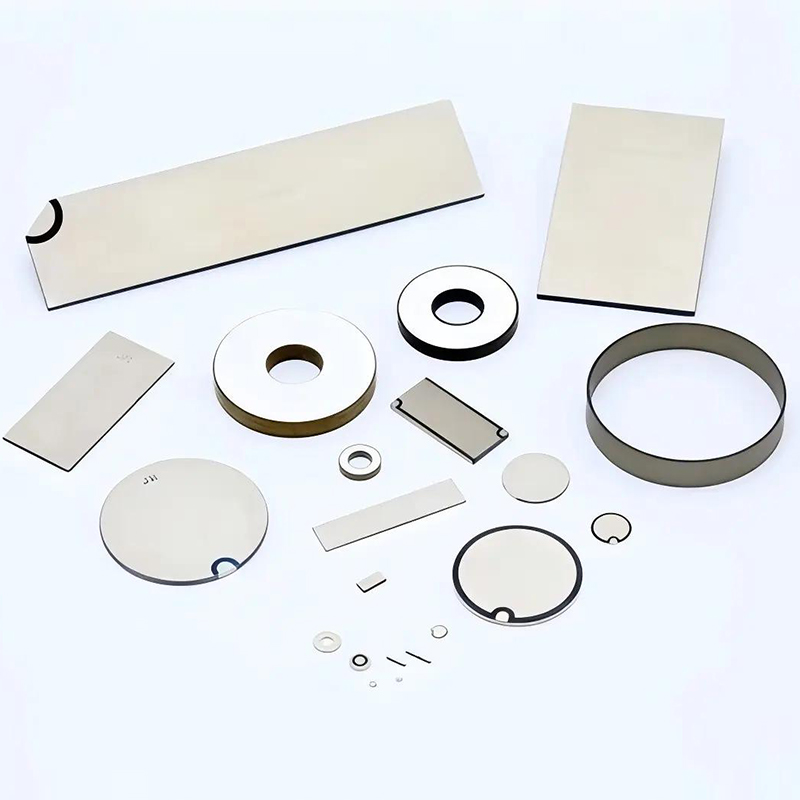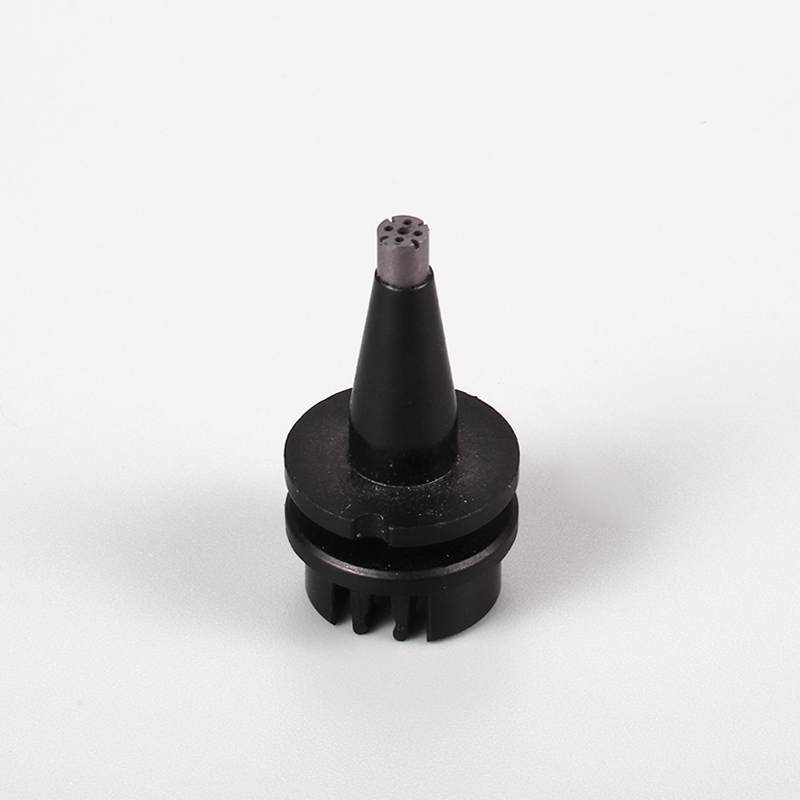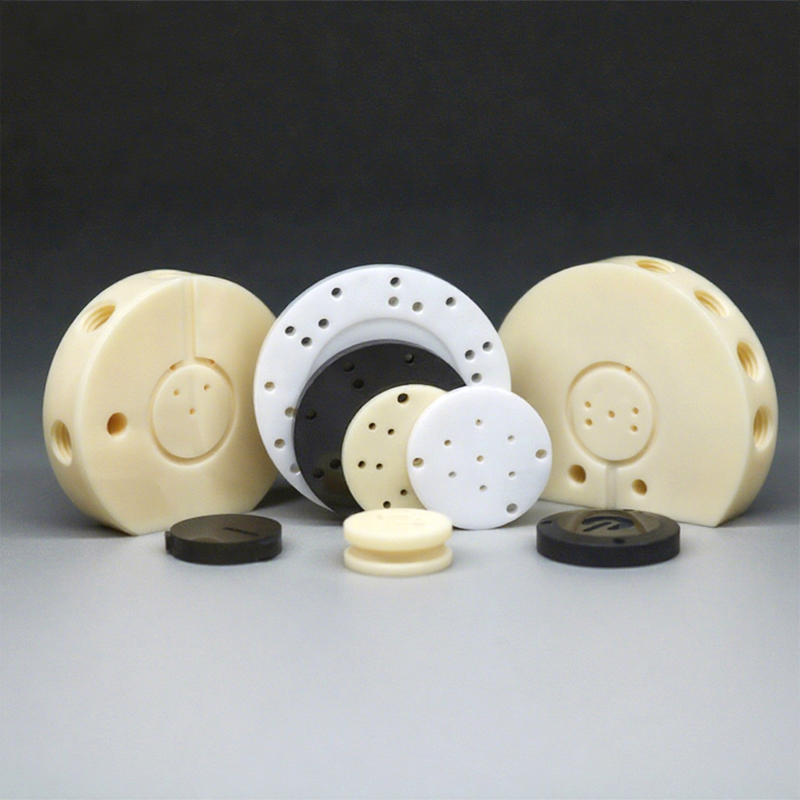


Aluminum nitride (AlN) is widely recognized as one of the most important ceramic materials in modern thermal management engineering. Its exceptionally high aluminum nitride thermal conductivity—combined with electrical insulation, low density, and chemical stability—makes it a preferred substrate and packaging material in high-power electronics, LEDs, semiconductor manufacturing, and advanced heat-dissipation systems. This article provides an engineer-oriented overview of AlN material science, covering the chemical formula of aluminum nitride, density of aluminum nitride, phonon transport mechanisms, performance factors, and industrial applications.
1. What Is Aluminum Nitride? Material Fundamentals
Chemical Formula of Aluminum Nitride (AlN)
- Chemical formula: AlN
- Crystal structure: Hexagonal wurtzite
- Ionic–covalent bonding contributing to strong lattice and high thermal transfer efficiency
- Wide bandgap semiconductor (~6.2 eV)
Density of Aluminum Nitride
- Theoretical density: 3.26 g/cm³
- Lower density compared to alumina, silicon carbide, and other common heat-dissipation ceramics
- Lower weight → valuable for aerospace, mobile devices, high-precision systems
Why AlN Has Exceptional Thermal Conductivity
Introduce the phonon-based heat transport mechanism:
- Heat in ceramics travels mainly via phonons rather than free electrons
- AlN’s crystal structure allows long phonon mean free path
- Minimal impurity scattering → high thermal conductivity potential
- Impact of oxygen content on phonon scattering
2. Aluminum Nitride Thermal Conductivity: Core Properties
Typical Thermal Conductivity Values
- Sintered AlN: 140–180 W/m·K
- High-purity AlN substrates: 180–230 W/m·K
Factors Affecting AlN Thermal Conductivity
1. Oxygen Impurities
- Oxygen inhibits phonon transport
- Every 1% oxygen reduction significantly increases thermal conductivity
- Technical ceramics companies use sintering aids to reduce oxygen
2. Grain Size and Microstructure
- Finer grains → more grain boundary scattering
- Optimized grain growth enhances performance
3. Sintering Technology
- Hot pressing
- Pressureless sintering
- Spark plasma sintering (SPS) for extreme high conductivity
Comparison With Other Ceramics
| Material | Thermal Conductivity (W/m·K) | Electrical Conductivity |
|---|---|---|
| Aluminum Nitride | 140–230 | Insulator |
| Alumina | 20–30 | Insulator |
| Silicon Nitride | 20–90 | Insulator |
| Silicon Carbide | 120–200 | Semiconductor |
Key Engineering Advantages of Aluminum Nitride
Exceptional Heat Dissipation Performance
Ideal for high-power devices:
- GaN / SiC power modules
- High-brightness LEDs
- RF communication systems
- Laser diode packages
Electrical Insulation + High Thermal Conductivity
Rare combination:
- Thermal conductivity close to metals
- Electrical properties similar to alumina
High Temperature & Chemical Stability
- Stable up to 1000°C in inert environments
- Resistant to plasma, molten metals, and most chemicals
Thermal Expansion Compatibility
- CTE close to Si and GaN
- Reduces thermal stress in chip packaging
4. Industrial Applications of Aluminum Nitride
Power Electronics
- IGBT substrates
- SiC / GaN module baseplates
- High-frequency switching devices
AlN enables stable thermal management and improves device life cycle.
LED and Optoelectronics
- Superior heat-dissipating ceramic for high-lumen LEDs
- Prevents thermal degradation and color shift
Semiconductor Manufacturing Components
- Focus rings
- Susceptors
- Electrostatic chuck insulators
Demand for AlN continues rising with advanced lithography nodes.
Automotive & EV Technology
- On-board chargers
- Inverters
- High-power battery management modules
Conclusion
Aluminum nitride is one of the most important ceramic materials for next-generation thermal management. Its high aluminum nitride thermal conductivity, electrical insulation, low density, and chemical stability make it indispensable in power electronics, semiconductor manufacturing, LED systems, and advanced high-heat-flux environments.With ongoing improvements in powder purity, sintering technology, and oxygen control, AlN will continue to expand its role in high-performance engineering applications. For engineers and researchers evaluating advanced heat-dissipation materials, aluminum nitride stands out as a top-tier choice supported by both scientific fundamentals and industrial maturity.