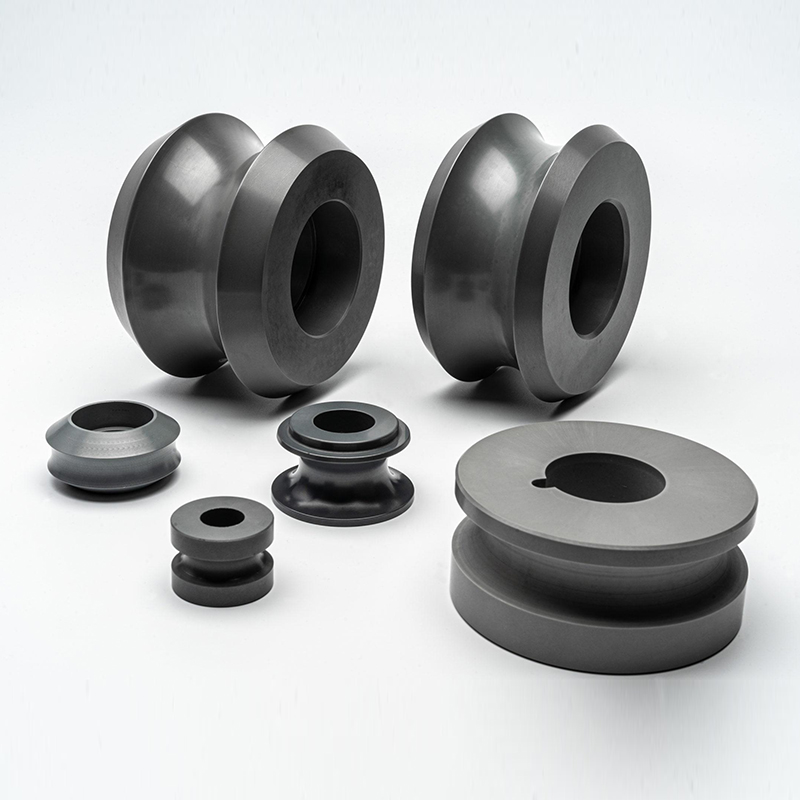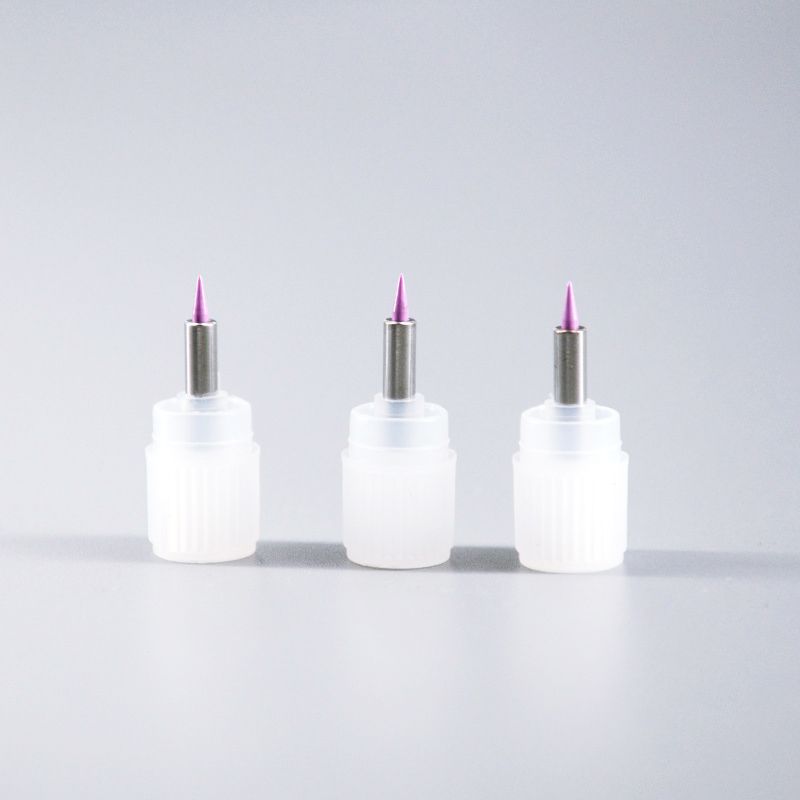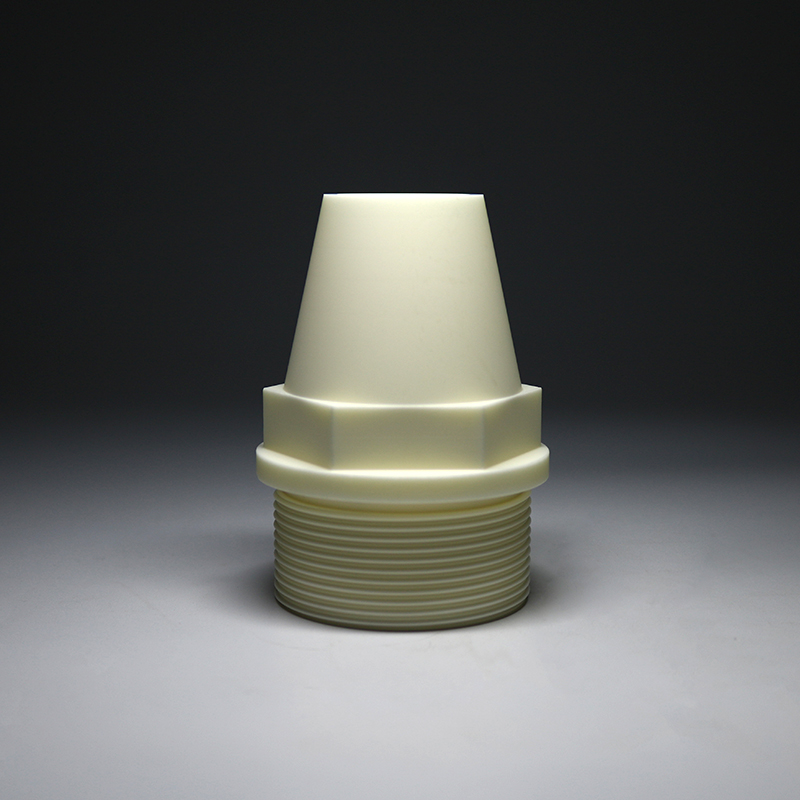


In engineering design and industrial manufacturing, choosing the wrong material is often more costly than design errors themselves. Ceramic materials—known for their exceptional hardness, electrical insulation, and high-temperature stability—are widely applied in electronics packaging, mechanical sealing, energy equipment, chemical processing, and aerospace systems.However, ceramics vary significantly: alumina, zirconia, silicon nitride, silicon carbide, and others differ in mechanical, thermal, electrical, and chemical behavior. Selecting the right ceramic material is not simply about choosing the “hardest” option but making an informed engineering decision aligned with performance requirements.This article provides a systematic and actionable ceramic material selection guide based on key performance indicators, typical applications, and manufacturing considerations.
1. The Logic of Ceramic Material Seection: Matching Performance With Application Needs
When selecting ceramics, engineers need to evaluate five major property categories:
| Property Category | Core Indicators | Engineering Significance | Typical Test Standards |
|---|---|---|---|
| Mechanical | Hardness, flexural strength, fracture toughness | Load-bearing capability, wear resistance | ASTM C1161, ISO 14704 |
| Thermal | Thermal conductivity, CTE, thermal shock resistance | Heat management, dimensional stability | ASTM E228, ASTM C484 |
| Electrical | Dielectric strength, permittivity, dielectric loss | Electronics, sensors, packaging | ASTM D149 |
| Chemical Stability | Corrosion resistance, oxidation resistance | Chemical and high-temperature environments | ASTM G31 |
| Processability & Cost | Forming complexity, sintering difficulty, production cost | Manufacturability and economic feasibility | — |
Typical material selection workflow:
Operating environment → Performance requirements → Candidate materials → Cost & process assessment → Reliability validation
2. Key Property Analysis and Comparison
2.1 Mechanical Properties: Balancing Strength and Toughness
- Alumina (Al₂O₃):
Hardness ~1800 HV; flexural strength 300–400 MPa → ideal for bearings, seals, wear components. - Zirconia (ZrO₂):
Toughness 7–10 MPa·m¹/² due to transformation toughening → suitable for impact or cyclic loads (cutting tools, implants). - Silicon Nitride (Si₃N₄):
High strength, excellent fatigue resistance → suitable for engine components, high-speed bearings.
Engineering insight:
For cyclic or impact loads → choose ZrO₂ or Si₃N₄
For wear or compressive loads → Al₂O₃ is economical and reliable.
2.2 Thermal Properties: Managing the Trade-Off Between Thermal Conductivity and Shock Resistance
High-temperature environments are where ceramics excel, but “high thermal conductivity” and “thermal shock resistance” often conflict.
- Aluminum Nitride (AlN):
180–200 W/m·K → best candidate for power electronics substrates and heat spreaders. - Silicon Carbide (SiC):
120–150 W/m·K and outstanding thermal shock resistance → heat exchangers, burner nozzles. - Alumina (Al₂O₃):
Lower thermal conductivity (20–30 W/m·K) but low cost and excellent insulation → suitable for moderate-power electronics packaging.
Design recommendation:
Rapid heating/cooling or high heat flux → AlN or SiC
High insulation requirement → Al₂O₃
2.3 Electrical Properties: Insulation, Dielectric Constant, and Signal Performance
Electronics and semiconductor applications are extremely sensitive to dielectric performance.
| Material | Dielectric Constant | Dielectric Strength | Key Use Case |
|---|---|---|---|
| Al₂O₃ | 9–10 | ~15 kV/mm | Insulators, substrates |
| AlN | 8.5–9 | High | Power modules (high thermal + high insulation) |
| Si₃N₄ | Moderate | Strong HV resistance | Power electronics, automotive systems |
Selection logic:
High-frequency, high-speed signals → AlN
High-voltage insulation → Al₂O₃
2.4 Chemical Stability and Environmental Resistance
Ceramics differ significantly in corrosion and oxidation performance.
- Alumina: Resistant to most acids and alkalis
- SiC: Excellent oxidation resistance up to 1600°C; outstanding chemical stability
- Si₃N₄: Strong resistance to steam corrosion and high-temperature oxidation
2.5 Cost and Manufacturability: Bridging the Gap Between Lab and Production
Even the best material must be manufacturable. Forming and sintering difficulty significantly influences cost.
| Material | Forming Difficulty | Sintering Temperature | Relative Cost (Al₂O₃ = 1) |
|---|---|---|---|
| Al₂O₃ | Easy | ~1600°C | 1 |
| ZrO₂ | Medium | ~1450°C | 2–3 |
| Si₃N₄ | Difficult (pressure-assisted) | ~1750°C | 3–5 |
| SiC | Difficult (high temperature or reaction sintering) | ~2000°C | 4–6 |
| AlN | Medium (requires nitrogen atmosphere) | ~1800°C | 3–4 |
Engineering reminder:
Evaluate not only performance but also:
✔ Sintering method (air, N₂, hot-pressing, HIP)
✔ Dimensional tolerance capability
✔ Batch reproducibility
3. Typical Application Scenarios and Recommended Ceramic Choices
| Application Field | Operating Conditions | Recommended Materials | Key Reasons |
|---|---|---|---|
| Electronics packaging & thermal management | High heat flux + insulation | AlN, Al₂O₃ | High thermal conductivity + dielectric performance |
| Mechanical seals & bearings | Wear + impact load | Si₃N₄, ZrO₂ | High strength + toughness |
| Energy & combustion systems | Corrosive + high-temperature cycling | SiC, Si₃N₄ | Oxidation resistance + thermal shock stability |
| Medical implants | Biocompatibility + wear resistance | ZrO₂, Al₂O₃ | Bio-inert & durable |
| Chemical pipelines & valves | Acid/alkali/corrosion | SiC, Al₂O₃ | Strong chemical stability |
4. Practical Material Selection Steps for Engineers
- Define operating conditions: temperature, load pattern, chemical environment, dielectric requirements.
- Identify critical performance priorities: select 2–3 decisive parameters (e.g., thermal conductivity, toughness, CTE matching).
- Screen candidate materials: use databases like MatWeb, AZoM, CeramTec data sheets.
- Conduct performance–cost matrix analysis: search for optimal engineering trade-off.
- Prototype testing & verification: follow ASTM/ISO standards for thermal cycling, mechanical strength, and reliability testing.
5. Conclusion: Ceramic Material Selection Is a Systems Engineering Process
Advanced ceramics are not “one-size-fits-all materials.” They are precision-engineered functional components that require holistic evaluation. Engineers must look beyond datasheets—considering application conditions, manufacturing feasibility, and cost-performance balance.Choosing the right ceramic ensures that equipment performs reliably even under extreme environments, ultimately improving system performance and product lifetime.