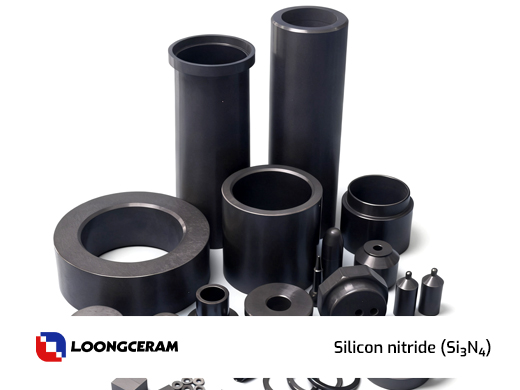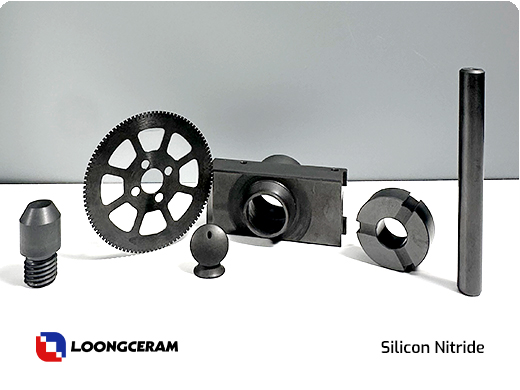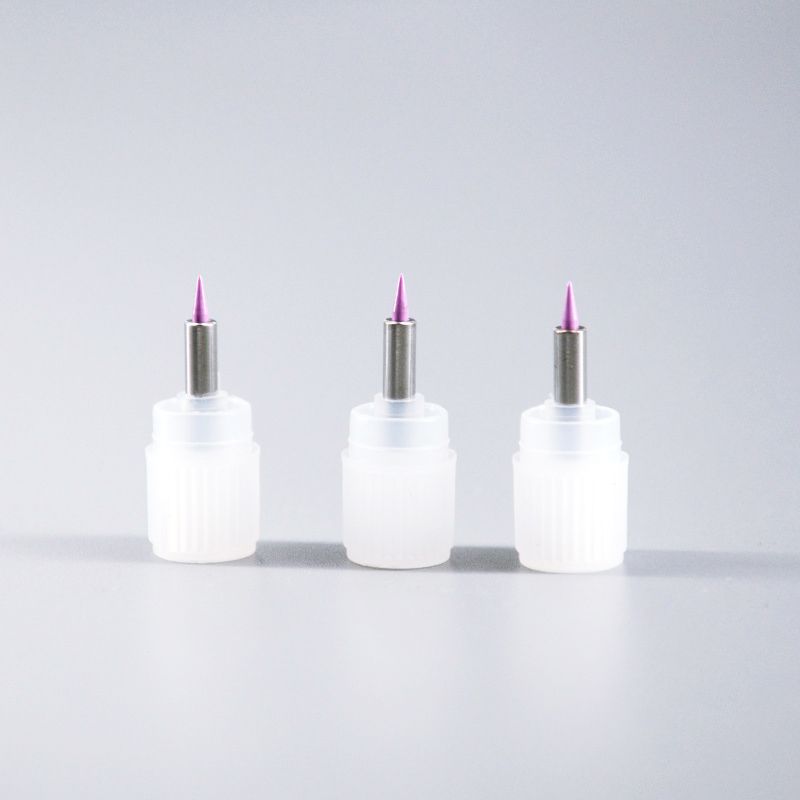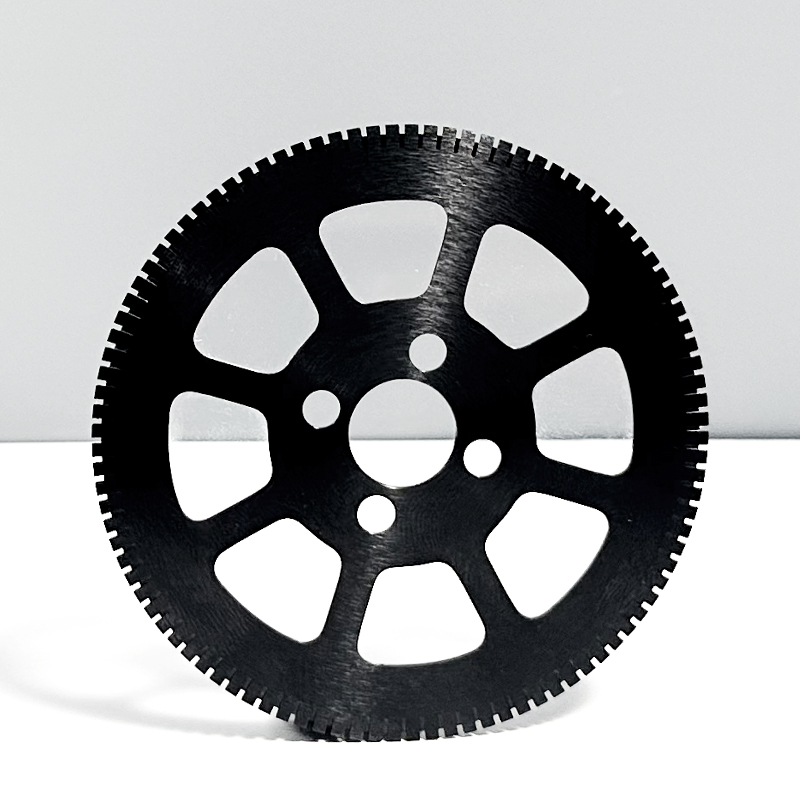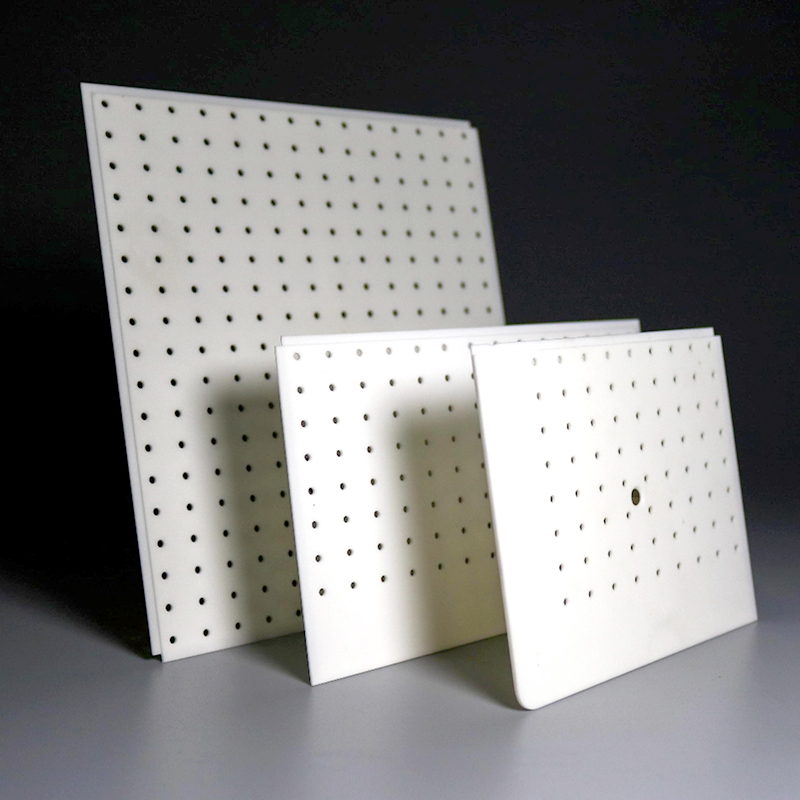


Zirconia (ZrO₂), or zirconium dioxide, is a highly engineered ceramic material that has revolutionized industrial and technological applications. Its unique crystallographic phases and exceptional mechanical properties position zirconia as one of the most advanced ceramic materials available. From its phase transformation toughening mechanism to its biocompatibility in medical fields, zirconia continues to meet the rigorous demands of modern industries, including aerospace, semiconductor manufacturing, medical implants, and high-temperature energy applications.
At Loongeram, we specialize in producing premium zirconia ceramics, providing engineered solutions that address both conventional and cutting-edge challenges in material science.
Zirconia Structure and Properties
Zirconia’s structural properties are highly dependent on its crystallographic phases:
- Monoclinic phase: Stable at temperatures below 1170°C, but with a significant volume expansion upon transformation, leading to a decrease in toughness.
- Tetragonal phase: Stable between 1170°C and 2370°C, providing high strength and toughness. This phase undergoes a transformation-induced plasticity (TIP) mechanism, which enhances its fracture toughness.
- Cubic phase: The most stable high-temperature phase, offering excellent thermal conductivity and chemical stability.
By doping zirconia with stabilizing oxides such as yttria (Y₂O₃), magnesia (MgO), or calcia (CaO), the tetragonal or cubic phase can be stabilized at room temperature, significantly improving the material’s toughness and thermal properties. This stabilization is critical in high-performance applications where resistance to crack propagation is paramount.
Mechanical Properties of Zirconia
- Fracture Toughness: Zirconia ceramics exhibit exceptional fracture toughness compared to traditional ceramics, primarily due to the stress-induced phase transformation from tetragonal to monoclinic, which absorbs energy and prevents crack propagation.
- High Hardness: With a hardness rating exceeding 1200 HV, zirconia is ideal for applications requiring high wear resistance and abrasion protection.
- Young’s Modulus: Typically around 200 GPa, zirconia offers high stiffness, making it an excellent choice for structural components under mechanical stress.
Advanced Applications of Zirconia Ceramics
Aerospace and High-Temperature Engineering
Zirconia’s high thermal stability and low thermal conductivity make it indispensable in high-temperature applications. It is used in:
- Gas turbine engines, where thermal barrier coatings (TBCs) made from stabilized zirconia significantly improve engine efficiency by reducing heat transfer.
- Re-entry vehicle tiles, where zirconia provides superior heat resistance under extreme re-entry conditions.
Semiconductor Industry
In semiconductor manufacturing, zirconia is used in the fabrication of high-purity components and heat-resistant fixtures. Due to its chemical inertness and high-temperature stability, zirconia is utilized in processes such as:
- CVD reactors (Chemical Vapor Deposition), where material purity and resistance to aggressive chemicals are essential.
- Etching and deposition equipment, where zirconia ensures minimal contamination and structural integrity under harsh conditions.
Medical and Dental Applications
Zirconia has gained significant traction in the biomedical field, especially in:
- Dental crowns and bridges: Thanks to its biocompatibility, high fracture strength, and aesthetic properties, zirconia is widely used in prosthetic dentistry, offering long-term solutions that mimic natural tooth color and structure.
- Orthopedic implants: Zirconia is used in hip replacement bearings and spinal implants, providing wear resistance and longevity.
High-Performance Coatings and Wear-Resistant Components
Zirconia’s high hardness and chemical resistance make it ideal for applications requiring wear resistance, such as:
- Cutting tools: Zirconia-coated tools exhibit superior wear resistance and edge retention, reducing the frequency of tool replacements in high-precision manufacturing.
- Mechanical seals and bearings: In industries where corrosive environments and extreme mechanical stress are common, zirconia seals provide unmatched longevity and stability.
Loongeram Zirconia Solutions
At Loongeram, we offer a comprehensive range of engineered zirconia solutions tailored to meet the specific needs of various industries. Our zirconia ceramics are:
- Highly customizable: We provide tailored formulations of zirconia with specific stabilizing agents to match exact application requirements, such as yttria-stabilized zirconia (YSZ) and magnesia-stabilized zirconia (MSZ).
- Precision-machined: With advanced CNC machining and laser sintering technologies, we produce components with micron-level precision for critical applications.
- Rigorous quality control: Our zirconia products undergo extensive testing, including X-ray diffraction (XRD) for phase analysis and scanning electron microscopy (SEM) for material inspection, ensuring each product meets or exceeds industry standards.
Zirconia Technical Data
Here are some typical technical properties of Loongeram zirconia ceramics:
| Property | Value |
|---|---|
| Density | 6.0 – 6.1 g/cm³ |
| Vickers Hardness | 1200 – 1400 HV |
| Fracture Toughness | 10 – 15 MPa·m¹/² |
| Young’s Modulus | 200 GPa |
| Thermal Conductivity | 2.5 – 3.0 W/m·K |
| Max Operating Temp | 2400°C |
| Flexural Strength | 1000 – 1200 MPa |
For a more comprehensive breakdown of our zirconia grades and their tailored applications, please download our detailed datasheets.
FAQs
Q: What is the primary advantage of zirconia over other ceramics?
A: Zirconia’s phase transformation toughening mechanism makes it far tougher than conventional ceramics. This property significantly reduces the likelihood of catastrophic failure in applications under mechanical stress.
Q: Can zirconia withstand high-pressure environments?
A: Yes, zirconia has a high compressive strength and can maintain its integrity under extreme pressure, which is why it’s used in critical components like gas turbine seals and high-pressure valves.
Q: How does Loongeram ensure the consistency and quality of its zirconia products?
A: We use advanced material characterization techniques such as XRD and SEM to monitor and maintain the quality of our zirconia products, ensuring they meet the rigorous standards of industries like aerospace and medical.
Call to Action
If you’re looking for high-performance, precision-engineered zirconia ceramics for your industrial or research needs, Loongeram is here to provide the solutions you require.
Contact us today to discuss your project needs or to request a custom quote for our zirconia products.