

Topic: Advanced Ceramic Materials
Focus: Silicon Carbide Sintering Processes
Applications: Industrial, Thermal Management, Optical Systems
1. Introduction
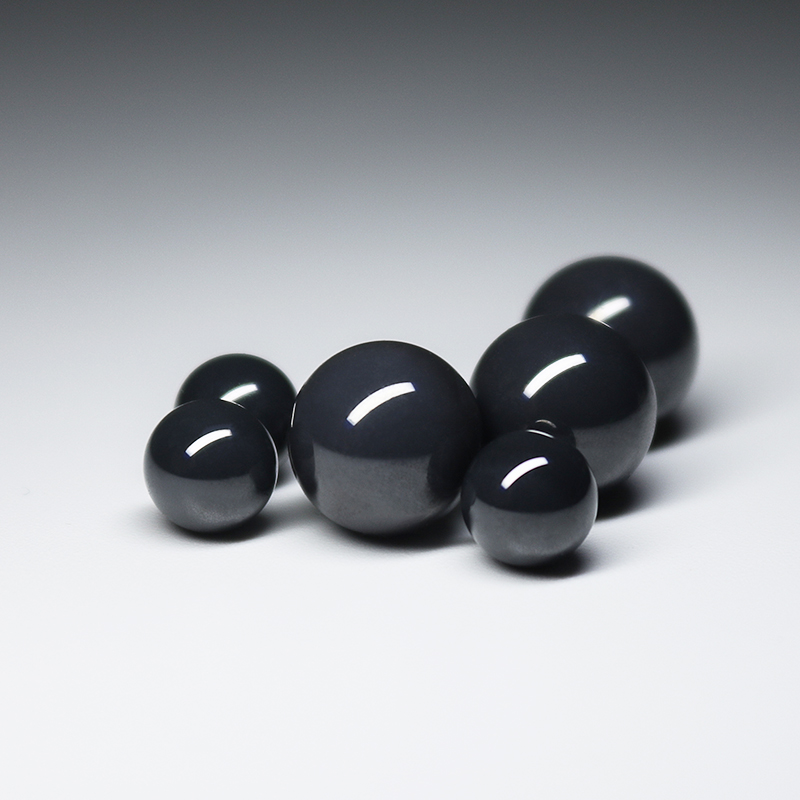
Silicon Carbide (SiC) ceramic is a high-performance high-temperature structural ceramic material. It not only exhibits excellent mechanical properties at room temperature but also demonstrates even more outstanding high-temperature mechanical properties, maintaining high strength at temperatures up to 1600°C. Furthermore, SiC ceramic possesses comprehensive characteristics such as high hardness, wear resistance, corrosion resistance, high thermal conductivity, low coefficient of thermal expansion, and exceptional thermal stability.
Due to these properties, silicon carbide ceramic is widely used in various fields including high-temperature bearings, ballistic armor, nozzles, corrosion-resistant components, high-frequency electronic devices, precision mechanical seals, optical components, and nuclear reactor materials, making it an indispensable key material in high-end equipment and advanced technology.
2. Sintering Technologies for Silicon Carbide Ceramics
The sintering of silicon carbide ceramics refers to the process of heating a green body below its melting point, through a series of physical and chemical changes, to enable atomic migration that fills pores, achieves densification, and imparts certain mechanical properties. Currently, various sintering processes have been developed domestically and internationally, primarily including Reaction Bonding, Pressureless Sintering, Hot Pressing, Spark Plasma Sintering, and Hot Isostatic Pressing.
2.1 Reaction Bonding (RB)
Reaction-Bonded SiC involves exposing a green body containing a carbon source (e.g., carbon powder) and silicon carbide powder to molten silicon or silicon vapor. The silicon infiltrates the body and reacts with carbon to form new silicon carbide, while the residual silicon fills the pores, thus achieving densification.
Advantages:
- Enables the production of complex-shaped and large-sized samples
- Features low sintering temperature and cost
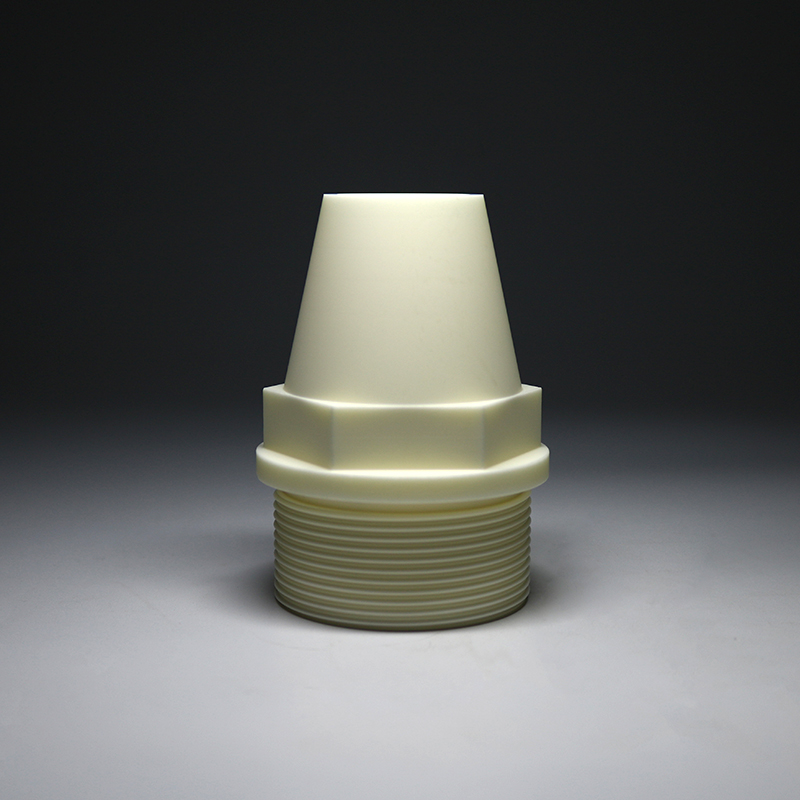
- Widely used in industrial fields such as kiln rollers and spiral nozzles
Limitations:
Service temperature is generally below 1300°C, as mechanical properties significantly degrade above this temperature, somewhat limiting its application in high-temperature components.
2.2 Pressureless Sintering (PS)
Pressureless Sintering (PS) is a process where a green body is densified through high-temperature heat treatment under atmospheric pressure or a specific atmosphere without applying external pressure. The driving force primarily comes from the reduction of surface energy, with mass transport achieved through diffusion mechanisms.
Technical Status:
Pressureless sintering technology has become increasingly mature, offering simple operation and moderate cost, making it suitable for manufacturing samples of various shapes and sizes.
Challenges:
Excessively high sintering temperatures can be detrimental to the sintering of β-SiC, potentially causing phase transformations. High temperatures can also lead to abnormal grain growth, adversely affecting the mechanical properties of the material.
3. Applications of Silicon Carbide Ceramics
3.1 Structural Components
Sealing materials commonly used in industry are often metal components, which suffer from poor sealing and susceptibility to erosion. SiC, with its strong chemical stability (pure silicon carbide is not corroded by strong acids or alkalis), is widely used in fields such as petroleum and chemical industry.
Furthermore, compared to metal bearings, SiC ceramic bearings offer low density and high strength, making them more suitable for harsh operating environments.
3.2 Thermal Management Components
Silicon carbide ceramic possesses excellent thermal conductivity. Currently, SiC ceramics produced by different processes can achieve thermal conductivities around 110 W/(m·K), which is highly significant for improving the heat exchange efficiency of industrial components.
Compared to traditional metal heat exchange tubes, silicon carbide heat exchange tubes can withstand temperatures up to 1400°C, significantly extending component service life and improving heat exchange efficiency.
3.3 Optical Components
The normal operation of aerospace vehicles relies on information gathering by optical systems. Reflectors are essential components for large space telescopes, exploration satellites, etc.
Traditional glass products exhibit insufficient strength, severe deformation, and dimensional instability under large temperature differences. Silicon carbide, with its high thermal conductivity, low thermal expansion coefficient, and high ratio of thermal stiffness to mass, has become a primary material for reflectors.
Conclusion
Silicon carbide ceramics offer exceptional properties that make them invaluable across multiple high-tech industries. The various sintering technologies each present unique advantages and limitations, making them suitable for different applications and production requirements. As material science advances, SiC ceramics continue to find new applications in increasingly demanding environments.